KEY CONCEPTS
•
There are too many environments, laws and regulations, changing trends and various restrictions to satisfy all of them all the time.
•
To start an environmental impact assessment, first review the local regulations.
•
Chemicals are used in manufacturing plants every day, and these plants are generally in compliance with local regulations.
Formulating metalworking fluids with the environment in mind means considering how a product's ingredients, use, maintenance, treatment and disposal may affect the environment throughout its lifecycle. Can any compound blender successfully formulate one fluid for all environments? "Not likely," says STLE member John Burke, consultant at Quaker Houghton.
Regulations, customer requirements, company policies, product stewardship expectations and market trends vary by location and continue to evolve. As a result, no single formulation can meet every requirement in every market. Numerous international, national, regional and nongovernmental organizations establish or influence environmental requirements affecting metalworking fluids. Even checking all the boxes on an approved checklist does not guarantee success
(see Figure 1).

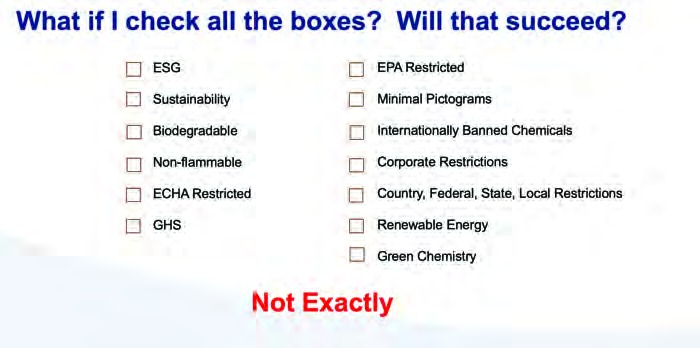 Figure 1. No one formulation is likely to check all the boxes for all environments.
Metalworking fluid (MWF) formulators navigating this landscape must understand the requirements that apply to different product types, including water-dilutable fluids and neat oils, as well as their proper use, compatibility, treatment and disposal. Then, they must create a strategy to formulate their products for
local environmental concerns.
There are several reasons for this complicated situation. One formula cannot work in all environmental conditions. Some chemistries that are banned in one region might not even be regulated in another region. Environmental laws are very detailed, they cover many thousands of chemicals and they overlap with each other (see, e.g., Ref. 1).
This article is based on an STLE webinar titled Metalworking Fluids: Formulating for the Environment presented by Burke. See Meet the Presenter for more information.
Managing MWFs beyond their use
During normal industrial use, portions of an MWF or related process fluid may move through several managed pathways, including wastewater treatment, air-emission controls, offsite waste handling or material carried on finished parts. Understanding these pathways is important when selecting, using, maintaining, treating and disposing of a fluid. However, calculations and laboratory simulations of wastewater treatment, air pollution or solid waste are difficult because of the many interacting factors involved.
When the MWF does leave your property, it will encounter regulations from international, federal, state and local agencies, as well as your customers' environmental restrictions. These regulations and restrictions dictate what is prohibited or regulated and what enforcement measures are in place. "For the end-user and for a local environment, state and local regulations may be more important than federal or international regulations," Burke says. Fluid suppliers, customers, EHS (environmental, health and safety) professionals and waste-management providers each play a role in helping to identify applicable requirements and manage fluids responsibly.
Only about 1% of formulated products (e.g., MWFs, cleaners, quenching fluids, rust inhibitors) are carried out of an end-user's plant on finished parts or other miscellaneous losses. The remainder of the used fluids are processed through a waste treatment system that separates out the water phase (about 94% of the treated water-dilutable fluids), which is either disposed of or reused. The remaining oily sludge and solids—about 5% of the used fluids—are then disposed of. The water phase must pass federal and local pretreatment regulations before being released to the municipal foul sewer system (also called a sanitary sewer). Sanitary sewer water also goes through a treatment system to comply with discharge regulations before entering international, federal or state waterways. Federal and state regulations are often more restrictive for storm sewer discharge than for sanitary sewer discharge because the water typically goes directly to the receiving environment without treatment.
MWF products can also enter the environment as fugitive (untreated) or captive (treated) air emissions, contract-hauled discharges to land as semi-solid wastes or contract-hauled liquid wastes
(see Figure 2).

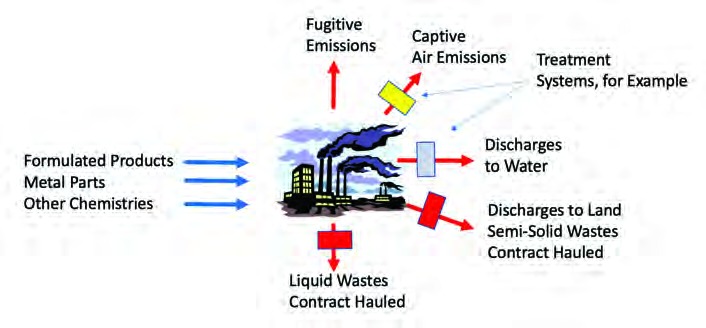 Figure 2. MWF products enter the environment in various ways.
Tracing a complicated pathway
As complicated as the post-release situation is, the story begins long before then. Understanding the environmental impact from the time a blended product, especially a water-dilutable product, enters a manufacturing plant is very difficult, and this results in a complex regulatory environment.
Historical incidents from across industry help illustrate why environmental regulations, product stewardship practices and waste-management controls have continued to evolve. The following examples are not associated with any MWF supplier specifically but rather are included to highlight the potential consequences of improper chemical or waste management.
Even chemicals that are not prohibited by law can be designated as "not recommended" because of the potentially serious effects of an accidental release into the environment. For example, in 1999, an automotive manufacturing company improperly discharged about 1.6 million gallons of wastewater to an Indiana water treatment plant. This wastewater contained toxic concentrations of dimethyldithiocarbamate (DTC), resulting in the death of 4.6 million fish.
2
Sodium DTC (SDTC, commercially sold as HMP-2000) is a chelating agent that weakly binds heavy metals, and it has been used as a wastewater treatment compound. However, SDTC decomposes into toxic secondary compounds, and it must be used in very small amounts.
3 The manufacturer's improper handling resulted in a federal fine of almost $2 million, a municipal fine of $275,000 and cleanup costs and other penalties totaling more than $10 million.
2
In a 1969 event that made national news, decades' worth of industrial waste near a steel mill in Cleveland, Ohio, formed an oil slick on the Cuyahoga River. The city dumped hot ashes from a power plant into the river, and the oil slick caught fire, causing about $100,000 in damage to two railroad bridges. This was not the first time the river caught fire
(see Figure 3), but it marked the beginning of a change in public attitudes. Clevelanders, and the nation as a whole, began to see water pollution less as a necessary consequence of prosperity-generating industry and more as a serious problem that had to be dealt with.
4

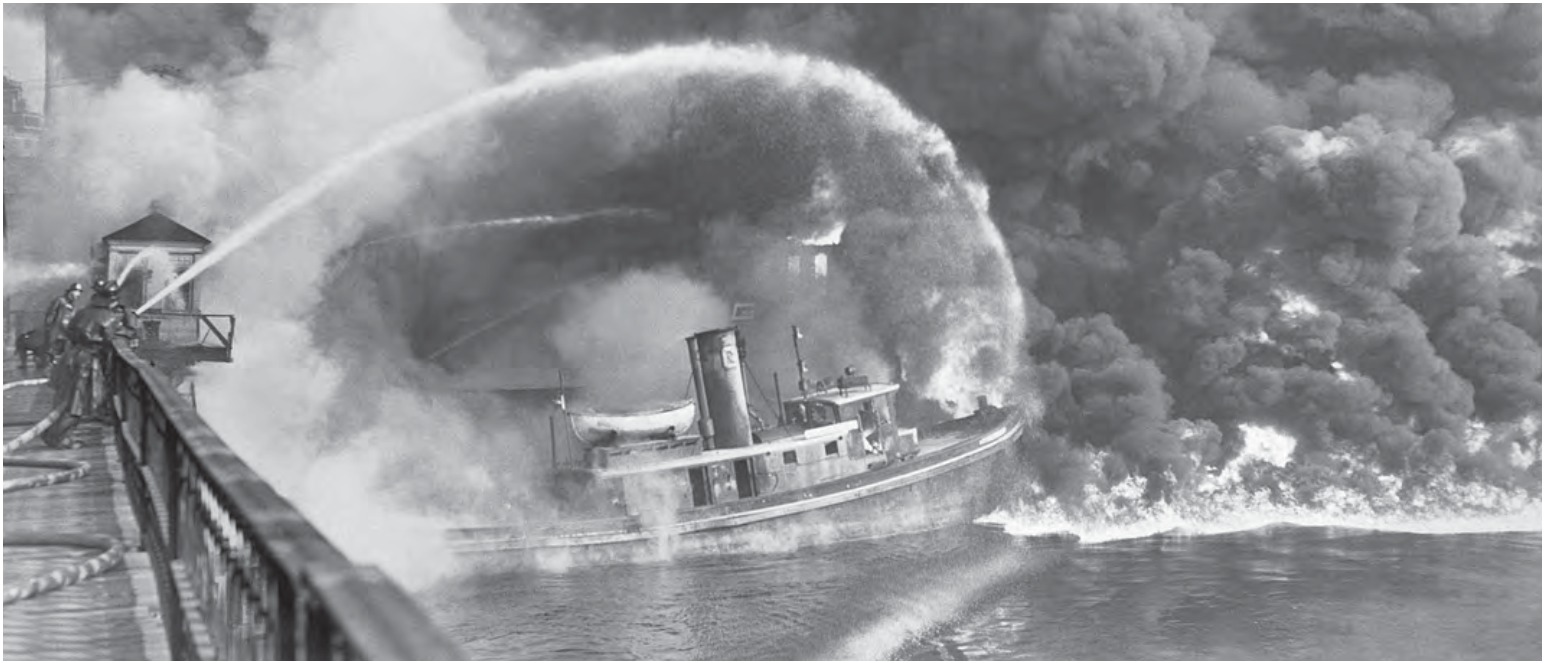 Figure 3. The 1952 Cuyahoga River fire, one of several. Figure courtesy of HISTORY via Flickr (public domain).
Today, intentional release of pollutants into the environment is prohibited. Further, in the U.S., the Environmental Protection Agency's (EPA's) Resource Conservation and Recovery Act (RCRA) regulations hold the generator of hazardous waste materials liable for the final disposition of their waste materials. This requires end-users to be informed on how their contractors are disposing of the waste that they haul away.
Formulating for the environment
Before an MWF is introduced at a customer's facility, its ingredients and formulation are evaluated against regulatory requirements, approved-material processes, customer specifications, product stewardship considerations and applicable sustainability criteria. Formulators screen potential ingredients and formulations against these requirements. Customers may apply additional manufacturing, purchasing, EHS and site-specific requirements before approving a product for use.
When compiling a list of acceptable materials, a formulating chemist must consider substances that are banned, significantly restricted or potentially restricted in the near future. This chemist must also consider environmental laws, public perception, ESG (environmental, social and governance), life cycle analysis, corporate restrictions and future trends. Formulators must balance the protection of confidential business information with customers' legitimate needs for information that supports regulatory compliance, worker safety and responsible product management. Safety data sheets (SDS) provide required hazard and handling information, but customers may need additional product or application information, depending on the intended use, facility and other requirements. An additional consideration is that chemicals listed may be known under various names; for example, triethanolamine is also called 2,2',2"-nitrilotriethanol. (CAS numbers can be used to verify if two names refer to the same compound.)
So, what can't you use? The U.S. EPA maintains and updates a "list of lists" under its Emergency Planning and Community Right-to-Know Act (EPCRA).
5 This 214-page list gives chemical names, category codes and what codes and regulations list these compounds. Chemicals can fall into one or more of several categories:
Potentially restricted substances. Phosphorus, for example, became a potentially restricted substance as the result of a 2012 agreement between Canada and the U.S. to reduce levels in Lake Erie by 40% from 2008 levels.
6 This was done in part to reduce the incidence of algae blooms that harmed wildlife and drinking water supplies and were large enough to show up in satellite photos
(see Figure 4). The agreement set science-based phosphorus targets and domestic action plans for the western and central basins and priority tributaries. A potential next target for this region is nitrogen, a common fertilizer component that is also a component of amine compounds. In general, highly soluble materials like amines are difficult to remove from wastewater.

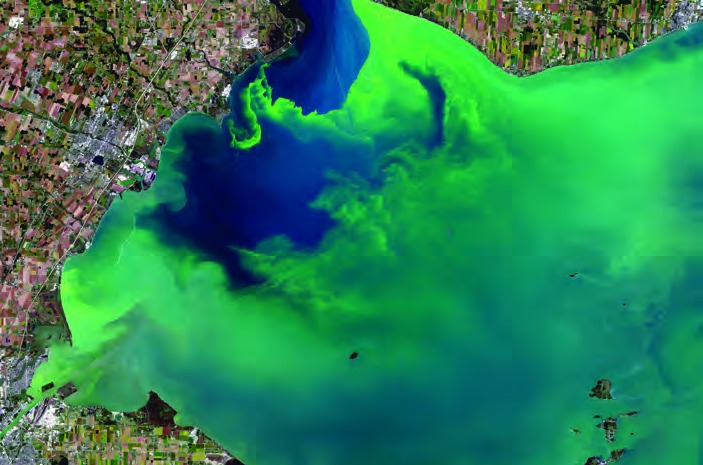 Figure 4. A Landsat 8 satellite photo of an algae bloom on Lake Erie in 2017. Figure courtesy of U.S. Geological Survey (public domain).
Partially restricted substances. The list of partially restricted substances (allowed under specific conditions, below certain levels and for approved end-uses) includes nitrogen; ammonia; phosphorus; total organic carbon (TOC); and "fats, oils and grease" (FOG). It also includes the metallic elements Pb, Cd, Hg, Cu, Ni, Zn, Cr, Ba, Cd, Se and As. Zinc is ubiquitous in most manufacturing plants, and it is very hard to remove to levels below 1.0 mg/L.
One parameter that is used for setting partial restrictions is five-day biochemical oxygen demand (BOD-5). Biochemical oxygen demand (also known as BOD or biological oxygen demand) is a measure of the amount of oxygen (in milligrams per liter) required by bacteria and other microorganisms to degrade and transform organic matter in a water sample under aerobic conditions, measured at a specific temperature over a specific time period. The BOD value is most commonly expressed in milligrams of oxygen consumed per liter of sample during five days of incubation at 20°C and is often used as a surrogate of the degree of organic water pollution.
7
Other restricted and partially restricted chemicals include phenols and their derivatives from sewer discharges, nutrients that encourage algae blooms, chemicals that are difficult or impossible to break down, metal chelates or chelating agents and related organometallic complexes, endocrine disruptors and xenoestrogens, materials toxic to local fish, silicates and silicones that interfere with or foul membranes and reproductive toxins (e.g., boric acid). In May 2026, the U.S. EPA announced proposed rules limiting concentrations of certain perfluoroalkyl and polyfluoroalkyl substances (PFAS), sometimes called "forever chemicals," which do not biodegrade under normal environmental conditions, to 4 parts per trillion or less.
8
Banned substances. Banned substances include polychlorinated biphenyls (PCBs), dichlorodiphenyltrichloroethane (DDT), thalidomide, 2,3,7,8-tetrachlorodibenzo-p-dioxin (TCDD), asbestos and combinations of nitrite and diethanolamine, among other substances.
9 Laws and customer requirements may prohibit or severely restrict certain substances or combinations of substances in specific markets and applications. Formulators must confirm which restrictions apply to the intended product, use and location.
Substances to avoid. Substances to avoid include phenol and phenolic-derivative compounds. EPA method 420.1 (Manual 4-AAP) lists several phenol derivatives that it reports as phenols. California's South Coast Air Quality Management District (SCAQMD) Rule 1144, effective since January 1, 2012, limits specific types of MWFs containing volatile organic compounds (VOCs) that exceed specified in-use concentration limits
(see Figure 5).

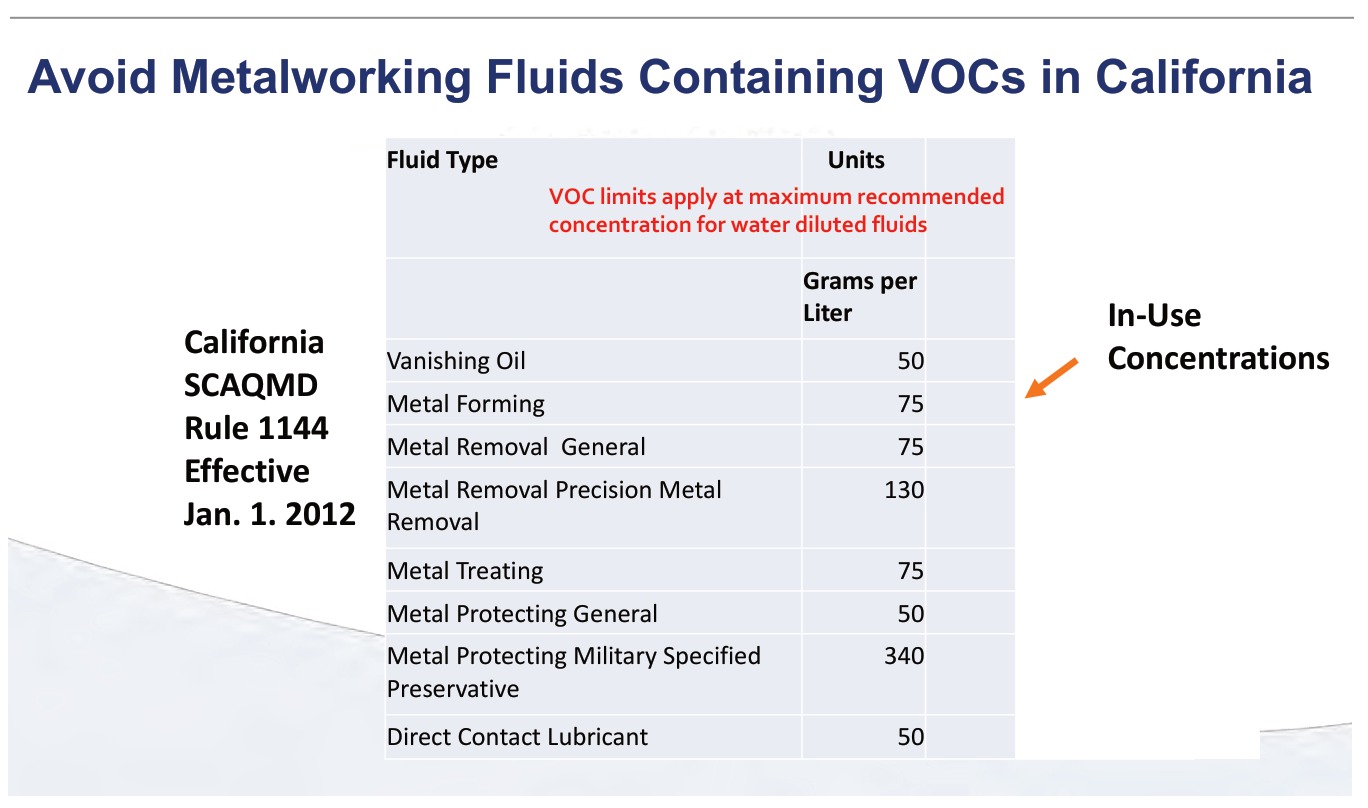 Figure 5. Southern California air quality limits for VOCs in MWFs.
Various jurisdictions have their own definitions as to what constitutes a pollutant. For example, a solvent-cutback (solvent-diluted) metal protecting fluid with a VOC content of 100 grams per liter may exceed the applicable limit under Southern California's SCAQMD Rule 1144. A different location might not apply the same local limit, although other federal, state, permit, workplace-safety, customer or facility requirements may still govern its use. "Laws and customer requirements may prohibit or severely restrict certain substances or combinations of substances in specific markets and applications," Burke says. "Formulators must confirm which restrictions apply to the intended product, use and location."
Hazardous formulated products use pictograms (simple graphics inside a red diamond outline) on their SDS to indicate potential restrictions to their customers
(see Figure 6). Hazard pictogram requirements and classifications vary by jurisdiction and product. Pictograms communicate specific hazards, but they do not by themselves explain all local use, treatment or disposal requirements.

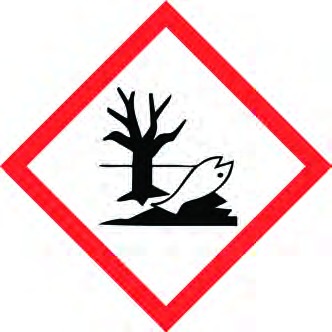 Figure 6. OSHA aquatic toxicity pictogram. Figure courtesy of OSHA (public domain).
Compliance
End-users support compliance through appropriate fluid selection and management, onsite treatment where applicable and qualified offsite disposal. The requirements and appropriate controls depend on the product, process, facility, permit conditions, waste stream and location. They take into consideration the type of wastewater treatment needed for their spent fluids and the applicable regulations and measurements and how these are enforced.
Spent fluids can consist of comingled fluids from various sources. These can be formulated fluids for various metalworking operations and other associated fluids (parts cleaners, floor cleaners, surface treatments, machine lubricants). Spent fluids often contain machined metal particles (including zinc, copper, lead, chromium, cadmium), and metals from other sources (zinc or copper from piping).
To start an environmental impact assessment for a given operation or plant, first review the local regulations. Every chemical element and compound can be regulated, including fresh potable water. One example is non-contact cooling water released into sanitary sewers, where restrictions deal with amounts of water released rather than potential pollutants. Every regulatory agency can restrict chemical elements or compounds if they interfere with the local environment or treatment processes. The EPA's list of lists is helpful for future planning.
5
As mentioned previously, a large percentage of MWF wastes is discharged to water, which must be treated before being released. Thus, the type of waste treatment system in use at a customer's site influences whether they can use a specific MWF product
(see Figure 7).

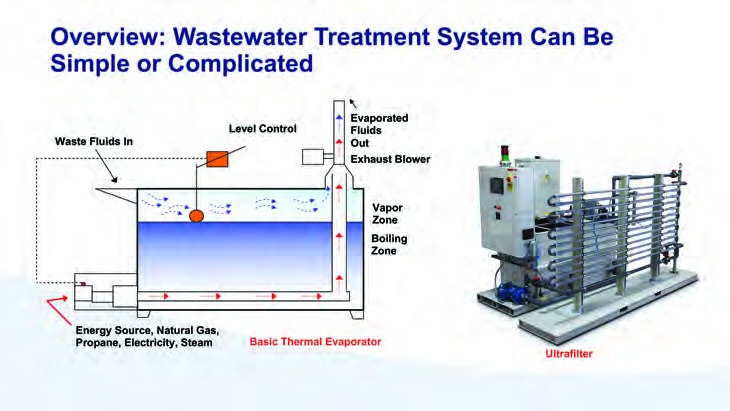 Figure 7. A simple evaporative wastewater treatment system (left) and a sophisticated ultrafiltration system (right).
Customers should communicate with their suppliers and preferably have some way of simulating a product's performance in their specific treatment system, including testing a product sample in a simulated system, before introducing an MWF that will become a waste. Plants with complex treatment systems are difficult to model, and various components of the same system may be more or less amenable to different wastewater treatment methods
(see Table 1).
Table 1. Wastewater treatment types and applications
| Wastewater treatment type |
Good with (process fluids) |
Not good with (process fluids) |
Chemical/physical
(acid, alum, polymer) |
Weak emulsions |
Complex emulsions, chelates |
Membrane
(ultrafiltration) |
Tight emulsions |
Silicone, silicates |
Evaporation
(vacuum or atmospheric) |
Low-VOC products |
Low flash-point solvents |
Biological
(anaerobic or aerobic) |
Readily biodegradable |
Bioresistant |
Advanced oxidation
(UV, peroxide, ozone) |
Low chemical oxygen demand (COD) |
Very high COD, high levels of soluble organics |
Every metalworking manufacturing plant is regulated under federal, state or local laws. Limits on pollutants released to a municipal sewer system vary significantly with location, and substances that are regulated in some areas are not regulated in others. There are at least 10,000 separate sewer-use ordinances in effect in the U.S. alone. There are 58 federal categorical pretreatment standards, including a 1,020 chemical list for total toxic organics (TTO). Industrial operations are granted non-domestic wastewater discharge permits for individual plants, typically for three to five years. Facilities should consult applicable permits and regulations, their internal EHS and legal resources and the appropriate regulatory authorities to confirm site-specific requirements.
How are substances measured?
Several test methods are available for determining what is present in a plant's wastewater. Analysts must be aware of each method's strengths and limitations and the appropriate applications of each method.
Oil-like products used in a customer's plant might include petroleum oils, vegetable oils, polyalphaolefins (PAOs), synthetic esters or fatty acids. Federal, state or local regulations might limit the amounts of these products (e.g., no more than 100 mg/L as hexane-extractable materials) that they can release to the environment. Regulations can also specify limits expressed as "total petroleum hydrocarbons" (TPH). TPH levels are measured using silica gel treatment (SGT) to perform a second extraction that removes polar animal fats, vegetable oils and fatty acids from an n-hexane extract.
Three basic tests are used to measure organics in wastewater. BOD-5 regulations are effectively universal: essentially every sewer discharge is regulated by city, state and federal BOD-5 limits. However, since BOD-5 is a biological test, results for different labs can vary and may not be comparable. Some regions require chemical oxygen demand (COD) measurements—an indicative measure of the amount of oxygen that can be consumed by reactions in a measured solution. TOC is less common, since BOD and COD together give a good estimate of organic loading. However, ratios of BOD to COD are not accurate for predicting anything about a chemical's biodegradability.
Some standard tests yield similar results for different materials, some of which may not fall under regulatory restrictions, producing false positives. For example, the U.S. EPA's Method 1664, Revision B (n-hexane) gives similar values, expressed as mg/kg, for an ISO 46 paraffinic mineral oil and an ISO 46 canola oil, as does Standard Method (SM) 5520 (Examination of Water and Wastewater). SM 5520B (hexane-extractable materials, or "oil and grease") extracts substances other than oil and grease, and SM 5520F (silica gel treated or "total petroleum hydrocarbons") may register non-petroleum hydrocarbons.
Tests based on visual examination can be misleading. Salt splitting an emulsion produces an opaque, oily layer above a clear, watery layer, but even the clear-looking layer can contain a significant concentration of hexane-extractable materials. The EPA's "sheen rule" (Discharge of Oil regulation) assumes that an oily discharge that leaves a visible sheen on the water's surface contains 1 to 10 ppm of hexane-extractable material.
10 However, both vegetable oil and petroleum oil produce a sheen, since the colors are produced by diffraction rather than specific chemical species
(see Figure 8).

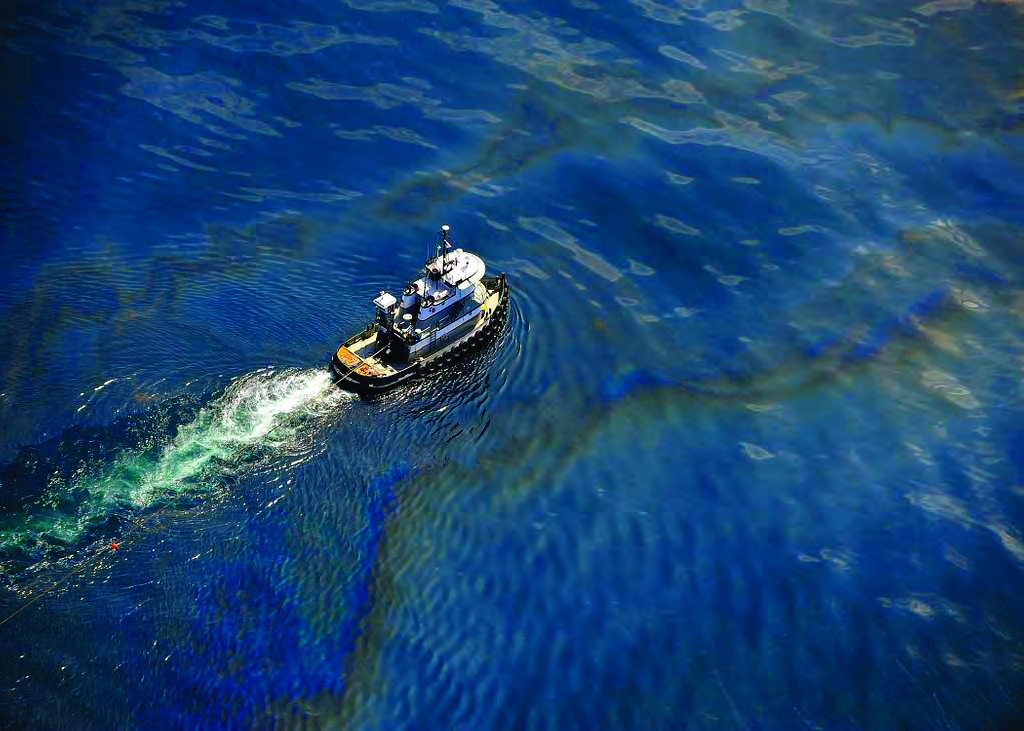 Figure 8. Aerial photo of an oil sheen left by the Deepwater Horizon oil spill, taken in 2010. Figure courtesy of U.S. Navy Photo by Mass Communication Specialist First Class Michael B. Watkins (public domain).
Once the test results are in, that's not the end of the story. Various states and municipalities differ in their definition not only for allowable amounts of substances released, but also of what constitutes a pollutant. For example, a release of a synthetic true-solution metal-removal fluid (MRF) containing 600 mg/L hexane-extractable oil and grease (O&G HEM) and 30 mg/L total petroleum hydrocarbons measured via silica gel treatment (TPH SGT) would be allowed in Norwich, Conn., where the municipal water pollution control facility sets a limit of 100 mg/L TPH SGT. However, releasing the same MRF in Glasgow, Ky., would result in the plant receiving a notice of violation, since the municipal sewer use ordinance specifies a limit of 100 mg/L O&G HEM.
What can I use?
After all that, what allowable chemistries remain? It depends on the receiving environment and the environmental control systems in place. Appropriate formulation characteristics depend on the application, fluid-management program, receiving environment and treatment system. For example, a formulation may need sufficient stability during use while also meeting applicable requirements for treatment, disposal or biodegradation.
In its Test 301, the Organization for Economic Cooperation and Development (OECD), a large international consortium, lists six methods to determine the biodegradability of organic chemicals. It also specifies levels of biodegradation that must be achieved within 28 days for a chemical to qualify as "readily biodegradable."
Despite the regulatory complexities, testing and monitoring are well worth the effort. Violations of federal laws can result in fines running into the millions of dollars. One major petroleum company found this out the hard way when their practice of flaring gases along the Gulf Coast resulted in $2.5 million in fines and a $300 million settlement to install gas recovery and pollution monitoring systems. Another oil and gas company was fined $2.5 million for their leaking storage tanks.
11
Some pollutants pose issues that are specific to certain regions and locations. For example, phosphorus and nitrogen runoff can provide nutrients that support the growth of cyanobacteria in lakes, causing algae blooms that emit toxic substances and produce dead zones in the water below.
12 Some regions and countries have laws and regulations on the books, but they lack the resources or the political will to enforce them. Lack of enforcement, however, does not mitigate the effects of pollution on the surrounding environment.
A push toward more sustainable use of resources, coupled with a tighter regulatory environment, is driving efforts toward a circular-economy approach in many industries.
13 Where technically and commercially feasible, formulators may consider responsibly sourced ingredients, opportunities to extend fluid life and product characteristics that support reuse, reclamation or recycling. Oil reclaimers re-refine spent fluids, removing contaminants and additives, and the resulting base oils (which can be as good as new base oils) are sold back to blending plants. These plants produce finished fluids, which they sell to their end-users, and the cycle begins again.
Petroleum oils work well for re-refining, but re-refiners impose limits on such chemical species as sulfur and chlorine in the used oils that they accept for processing. These oils must not contain certain chlorinated solvents (TCE, PCE, 111-trichloroethane or CFCs) or strong acids and strong bases. Some re-refining operations limit the ester content of the used oils they will accept, because distillation processes used for petroleum oils will not work with the ester components.
Bad news and good news
First, the bad news: Just about every chemical—including pure water—is regulated in one way or another. Next, the good news: chemicals and process fluids are used responsibly in manufacturing plants every day through appropriate selection, management, treatment and disposal practices.
MWF formulators who work with the environment in mind start with one question: Are there any environmental concerns at this location that apply to MWFs? Most of the necessary information should be available internally, from a company's EHS resources. Fluid suppliers can support this work by helping customers understand product characteristics, evaluate application and treatment considerations and identify questions that require site-specific EHS, regulatory or legal review. Additional input may come from local technical or account teams, professional and educational societies like STLE and from trade associations like ILMA, UEIL, UKLA and ALIA.
Responsible MWF formulation requires deliberate planning. Leading formulators understand applicable restrictions, combine chemistry expertise with knowledge of the customer's process and adapt as regulations, technologies, customer requirements and scientific understanding evolve. Collaboration among formulators, customers, EHS professionals and waste-management partners helps support products and practices that perform effectively while addressing environmental requirements.
REFERENCES
1.
McGuire, N. (2026), "Proposals in the Use of Chlorinated Paraffins," TLT,
82 (7), pp. 44-50. Available at
www.stle.org/files/TLTArchives/2026/07_July/Webinar.aspx.
2.
Hester, L.C. (2001), "Indiana guide corp. fined for polluting white river," U.S. EPA News Release, Nov. 9, 2001. Available at
www.epa.gov/archive/epapages/newsroom_archive/newsreleases/04a7243859597a3c85256aff007b1b0c.html.
3.
Matlock, M.M., et al. (2002), "Effectiveness of commercial reagents for heavy metal removal from water with new insights for future chelate designs,"
Journal of Hazardous Materials, 92 (2), pp. 129-142. Available at
https://doi.org/10.1016/S0304-3894(01)00389-2.
4.
Rotman, M., "Cuyahoga River fire: The blaze that started a national discussion," Cleveland Historical. Available at
https://clevelandhistorical.org/items/show/63.
5.
"Consolidated list of lists," U.S. Environmental Protection Agency, EPCRA. Available at
www.epa.gov/epcra/consolidated-list-lists.
6.
"Canada-US Great Lakes water quality agreement," Government of Canada. Available at
www.canada.ca/en/canada-water-agency/freshwater-ecosystem-initiatives/great-lakes/great-lakes-protection/canada-united-states-water-quality-agreement.html.
7.
Kumar, R. and Kumar, A. (2005), "Biochemical oxygen demand,"
Encyclopedia of Analytical Science (Second Edition), pp. 315-324, Elsevier. Available at
www.sciencedirect.com/science/chapter/referencework/abs/pii/B0123693977006622.
8.
"Per- and polyfluoroalkyl substances (PFAS) final PFAS national primary drinking water regulation," U.S. EPA, May 2026. Available at
www.epa.gov/sdwa/and-polyfluoroalkyl-substances-pfas.
9.
"Basics of chemical safety, Annex 6. List of chemicals banned or severely restricted to certain uses." International Labour Organization, 1996. Available at
https://webapps.ilo.org/static/english/protection/safework/cis/products/safetytm/clasann6.htm.
10.
"What is a harmful quantity of discharged oil?" U.S. EPA, Oil Spills Prevention and Preparedness Regulations. Available at
www.epa.gov/oil-spills-prevention-and-preparedness-regulations/what-harmful-quantity-discharged-oil.
11.
Friedman, L. (October 31, 2017), "Exxon will pay $2.5 million for pollution at Gulf Coast plants," The New York Times. Available at
www.nytimes.com/2017/10/31/climate/exxon-fine.html.
12.
Dzombak, R. (November 16, 2021), "Cyanobacteria blooms exceed WHO thresholds in Midwest lakes," American Geophysical Union, Eos. Available at
https://eos.org/research-spotlights/cyanobacteria-blooms-exceed-who-thresholds-in-midwest-lakes.
13.
McGuire, N. (2026), "In a circular economy, everything old becomes new again," TLT,
82 (11), pp. 30-39. Available at
www.stle.org/files/TLTArchives/2026/11_November/Feature.aspx.
Nancy McGuire is a freelance writer based in Albuquerque, N.M. You can contact her at nmcguire@wordchemist.com.