Electric vehicle fluids: Where the opportunities are
By Rustem Magnov, Kline + Company | TLT Market Trends November 2026
Success depends less on creating a single new product category and more on understanding how OEMs specify thermal management, electrical safety and system-level performance across different vehicle architectures.

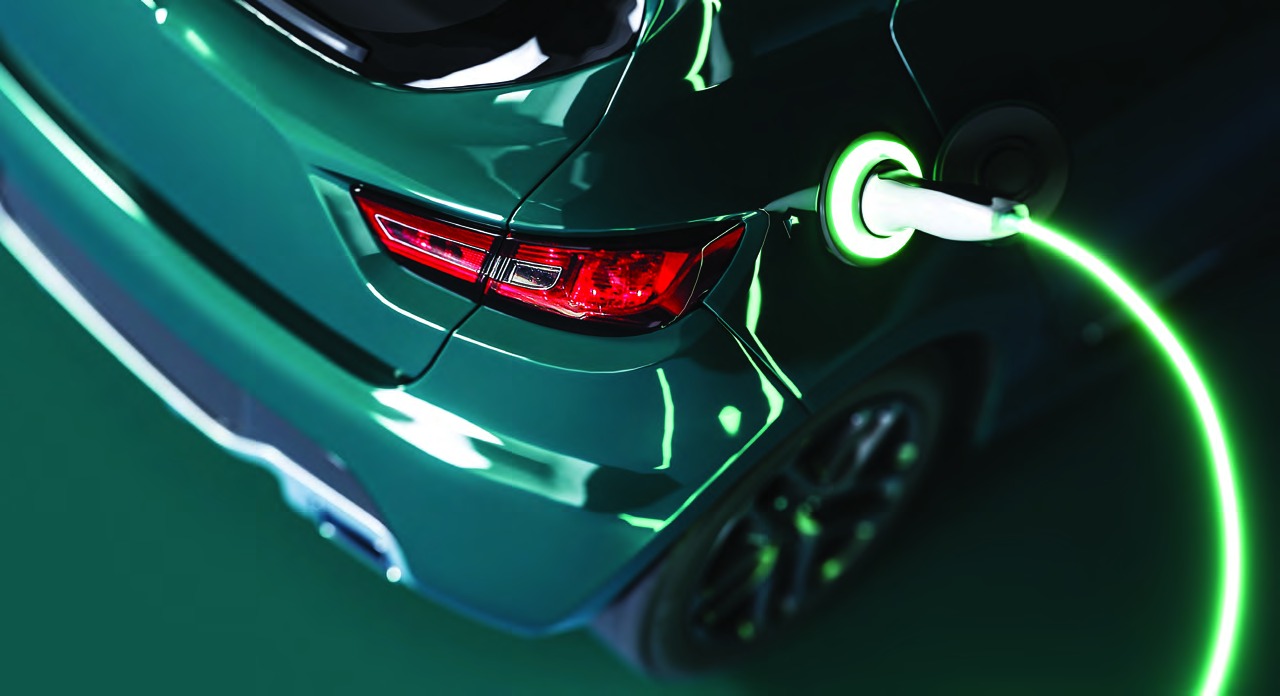
Electrification is changing the lubricants business, but not just by creating a new market called "electric vehicle (EV) fluids." As is often the case in life, the real opportunity is more fragmented and harder to access.
It sits in specific vehicle architectures, in OEM approval lists, in thermal management choices and in the changing geography of EV production.
A more useful way to look at the market is by function: which fluids manage heat; protect copper and gears; maintain electrical safety; or reduce noise, vibration and harshness (NVH) risk—and which of those functions are critical enough for an OEM to specify, test and control directly.
That is why the category remains commercially attractive even if total lubricant volume per vehicle declines. Battery electric vehicles (BEVs) remove the largest traditional pool, engine oil, but they also raise the value of the fluids that remain.
A coolant, electric driveline fluid (EDF) or dielectric fluid is not just a consumable; it is part of the vehicle's safety, efficiency and warranty envelope. A small formulation difference can affect conductivity, corrosion, copper protection, foaming, thermal stability or material compatibility. In that environment, approved fluids can carry more strategic value than their volume alone suggests.
Fluid categories, not one pool
The starting point is to separate the fluid categories instead of treating them as one pool.
Grease is the least disruptive part of the EV fluid map. Bearings, gears and other components still need high-performance greases, especially because EVs make noise, vibration, efficiency and durability more visible to the driver. But this is not a broad new "EV grease" market. Much of the volume is pre-filled by component suppliers, and the competitive field is already narrow and specialized.
EDFs are more strategically important. EV gearboxes may look simple compared with multi-speed automatic transmissions, but wet e-motor and e-axle designs put the fluid close to copper windings, insulation materials, power electronics and high-speed gears. The fluid still has to provide gear protection, foam control, oxidation stability and efficiency, but it must also manage electrical behavior, copper protection and material compatibility. EDFs are therefore not renamed transmission oils. They are transmission fluids redesigned around the electrical and thermal needs of the e-axle.
Thermal management is the largest technical and commercial discussion. Most EVs today use indirect water-glycol cooling, where the coolant removes heat through plates, channels and loops without touching battery cells or high-voltage components directly. This route is familiar, scalable and relatively easy to service. It also pushes coolant suppliers toward lower electrical conductivity, stronger corrosion protection and better long-term stability under fast-charging conditions. Dielectric immersion cooling is different: cells or modules are placed in direct contact with an electrically insulating fluid. It can offer better temperature uniformity in demanding applications, but it remains architecture-specific and is not a near-term replacement for indirect cooling in mainstream vehicles.
Each category is qualified differently
Coolants need heat-transfer performance, low conductivity, corrosion inhibition and compatibility with aluminum, copper, elastomers and plastics. EDFs must balance gear protection, copper compatibility, oxidation stability, low-viscosity efficiency and controlled electrical behavior.
Dielectric immersion fluids face stricter insulation and compatibility requirements because they contact electrical components directly. There is no single industrywide EV fluid grade that settles these questions. Products are usually qualified through OEM- or system-specific testing and then identified by approval or part number.
A changing route to market
This also changes the selling model. In the internal combustion engine (ICE) world, many lubricant conversations could still be framed around product performance: drain interval, fuel economy, wear protection or price per liter. In EVs, the stronger offer is system understanding. The supplier needs to speak the language of the battery pack, the e-axle, the charging profile, the warranty engineer and the service network.
The selling question becomes less "which product is best?" and more "which fluid package reduces technical risk across this platform?" In our discussions with OEMs and lubricant suppliers, conversations increasingly focus on conductivity stability, material compatibility, validation testing and warranty requirements rather than just lubricants' properties in isolation.
The route to market is therefore different from conventional lubricants. Factory fill is controlled by the vehicle maker or the Tier 1 system supplier. Service fill is still immature and usually tied to OEM parts networks, approved procedures and branded workshops. Independent garages cannot simply replace one EV coolant or EDF with a generic substitute. Over time, the aftermarket may grow as the EV parc ages and service intervals become clearer. But it is unlikely to become a single shelf product. It will more likely develop as separate approved service lines for coolants, EDFs and specialty dielectric fluids.
Regulation and standards are raising the technical base, especially in EV thermal management. China's GB 29743.2-2025 has put more attention on low-conductivity EV coolants and on how conductivity changes after aging, corrosion and storage exposure. Test methods such as ASTM D8566 also show that electrical conductivity is becoming a measurable, reportable coolant property rather than a vague marketing claim. At the vehicle level, rules such as UN Regulation No. 100 shape battery-pack and high-voltage-system safety, even if they do not certify a coolant or driveline fluid directly. Standards are not replacing OEM approval, but they raise the bar for electrical performance, aging stability and documented test evidence.
Chinese OEMs are no longer peripheral EV exporters. Certain brands are gaining share in Europe and expanding across emerging markets, changing the customer map for fluid suppliers. Chemistry may be portable, but the commercial model often is not. A supplier that is strong with established Western OEMs still needs local technical access, regional production flexibility, cost competitiveness and trust with a different set of decision-makers to win a Chinese platform.
Where to invest?
For fluid suppliers, one of the most important and most difficult questions is to decide where to invest, and where not to invest. Solutions such as immersion cooling may offer clear technical benefits, but they are unlikely to be adopted across the largest number of vehicle platforms in the near term.
OEM development decisions set the future course of EV fluid technology, outlining how thermal systems are configured, how performance targets evolve and which requirements are built into validation programs.
The critical period is the architecture-definition and validation window, usually the 12 to 24 months during which OEMs and top tier suppliers set e-axle topology, cooling strategy and test protocols, well before pilot builds. Fluid suppliers that are not engaged early on risk inheriting requirements rather than influencing them. As EV architectures continue to evolve, the technologies currently attracting the most attention may not be the ones creating the greatest commercial value over the next few years.
Rustem Magnov is a Project Lead at Kline + Company, with over 20 years of experience in the lubricants industry and transportation sectors. You can reach him at rustem.magnov@klinegroup.com. Kline and Company’s Energy team helps clients make better decisions across lubricants and adjacent energy markets by combining deep market intelligence with advisory support. Learn more at www.klinegroup.com.