World Cup soccer
By Don Smolenski, Contributing Editor | TLT Machinery October 2026
From the turf beneath players' feet to the goals overhead, tribology plays a crucial role in preventing soccer injuries.

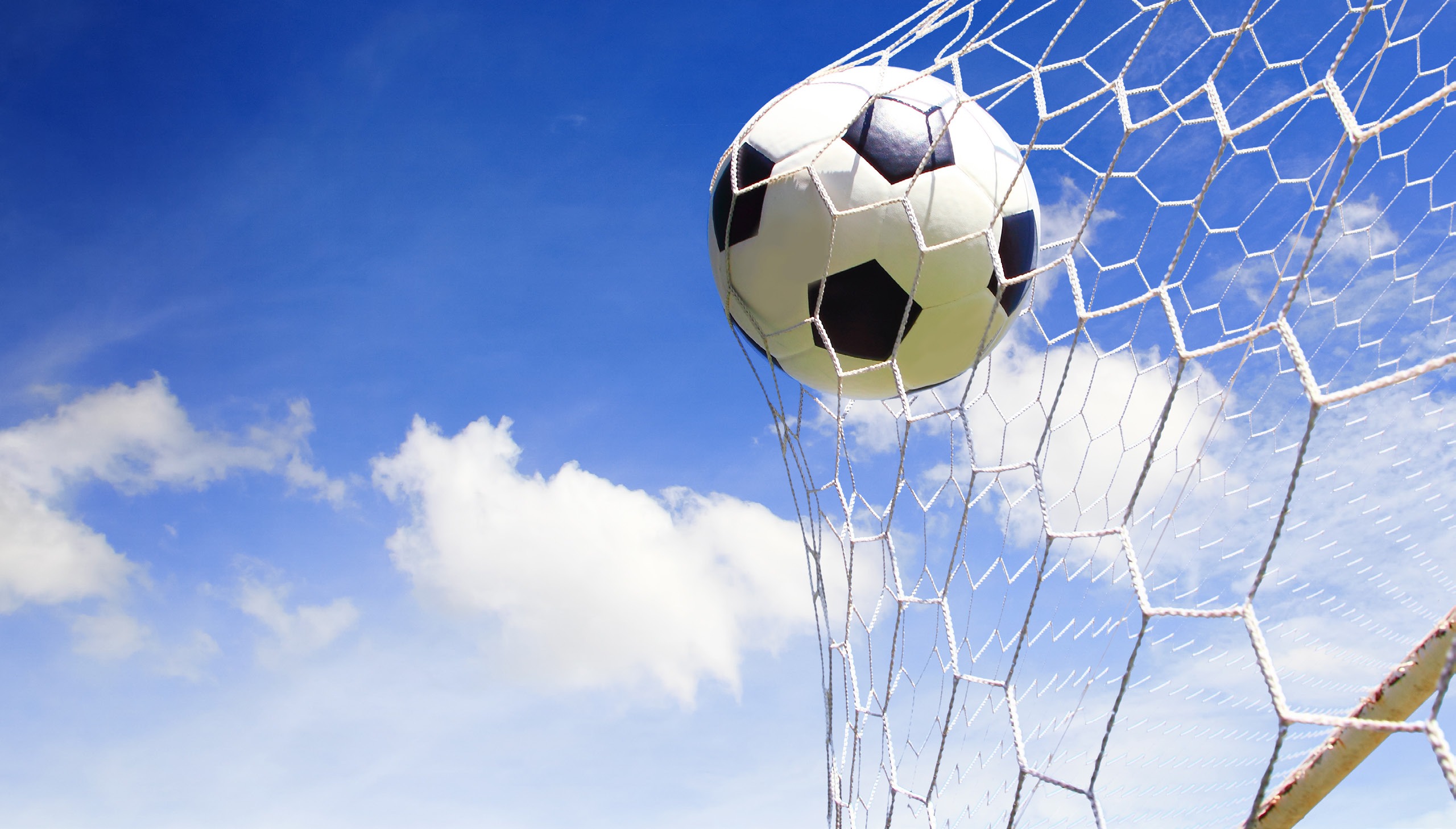
By the time you are reading this, the FIFA (International Federation of Association Football) World Cup will be in the rearview mirror, and anyway, what does tribology have to do with soccer? Turns out tribology plays a significant role in soccer. In the August TLT Cutting Edge article, Hannah Musgrove explored, in her first article, how surface roughness and aerodynamic design optimize ball flight and performance. This article examines the tribological role of the playing surface itself and how it affects player safety and injury prevention.
The turf and the joints of the players are all affected. During the third century B.C. the Han dynasty adopted formal soccer rules. In England, though, roads and meadows were the playfields, and the sport in general was pretty rough for a long time. Property damage and the lack of a cohesive set of soccer rules earned soccer the nickname "mob football." England's Football Association (FA) and FIFA eventually joined forces.
There is now much greater attention to possible sources of player injury. Somewhat unexpectedly, the goal itself is one! Goals can weigh as much as 500 pounds, so natural turf employs augers, stakes and anchors to prevent a soccer goal from falling over and injuring a player. Concussions, broken bones and even fatalities have sometimes occurred anyway. Indoor soccer typically requires sandbags or other means of securing the goals so as not to fall. G-max is used as a measure of the shock absorption characteristics of a given turf. The turf itself involves tribology. A "turf tester" is used to measure the shock compactability on natural or artificial turf. Natural turf requires a great deal of time and expense to install (including support systems, such as irrigation) but is claimed to be "softer" than artificial turf. The G-max value of a surface is not unlike that of some other common tribotests.
Professional soccer typically uses natural turf. The turf's shock absorption characteristics are very important for preventing impact injuries. I suspect that there are also possibilities for the potential for a twisting injury where the soccer cleats catch on the surface and the ankle or leg are twisted, at least partially sidelining a player. A surprising side concern of artificial turf is the possible emission of polycyclic aromatic hydrocarbons in artificial turf, known or suspected carcinogens found in poorly or unrefined petroleum. Soccer balls also must be produced consistently, so that the result from a typical kick produces a predictable result. This is a long way from an animal skin filled with rocks, for instance, used centuries ago.
So, tribology was, in fact, there at the FIFA World Cup soccer matches.
FOR FURTHER READING
1.
Standardization News, July/August 2016,
www.standardizationnews.com/standardizationnews/library/.
Don Smolenski is president of his own consultancy, Strategic Management of Oil, LLC, in St. Clair Shores, Mich. You can reach him at donald.smolenski@gmail.com.