HIGHLIGHTS
-
Amines represent a broad category of additives that contribute many functions to a wide range of lubricants.
-
Selection of a specific amine for a particular application involves assessing such criteria as base oil solubility, dosage efficiency, durability, formulation compatibility and performance factors such as pH buffering, stability and labeling and regional regulations.
-
More than one type of amine may be required in a specific application. Examples include aromatic aminic antioxidants, PBSI dispersants in automotive and industrial lubricants and alkanolamines in metalworking fluids.
-
Future use of amines will be dependent upon cost performance, and how the uncertain input of regulations will prompt changes in their use.
One of the most versatile additives used by lubricant formulators is amines. This additive category contains a wide range of different chemistries that function in a number of capacities including as antioxidants, corrosion inhibitors, friction modifiers, pH buffers and to help extend metalworking fluid life.
The large number of potential applications for amines means that it can be challenging for a formulator to figure out which type to use in a specific application. The purpose of this article is to obtain input from seven suppliers of amines to determine how formulators should choose an amine for a specific application.
Individual contributors to this article are shown below.
1.
Dr. Kathleen Havelka, Advancion Corp.
2.
Kevin DeSantis, BASF Corp.
3.
Dr. Philip Ma, BASF Corp.
4.
Robert Ash, Eastman Chemical
5.
Brigitte Sheehan, Evonik Interface & Polyurethane Additives
6.
Michael Koenig, LANXESS Corp.
7.
Dr. John Dixon, Nouryon Corp.
8.
Dr. Jun Dong, SONGWON
Types of amines used in a specific application
STLE member Dr. Philip Ma, technical marketing manager – Transmission Fluids at BASF Corp. in Tarrytown, N.Y., indicates that there are typically seven types of amines used in lubricant formulations. He says, "The functions of these amine types and some typical examples are listed below.
-
Primary antioxidants: Aromatic amines such as alkylated diphenylamines and alkylated phenyl-naphthyl amines (APNAs)
-
Polyamine dispersants, such as polyisobutylene succinimide ashless dispersant
-
Long chain amine friction modifiers and rust/corrosion inhibitors with examples including oleylamine and cocoamide.
-
Antiwear additives and corrosion inhibitors characterized as amine phosphates
-
Yellow metal deactivators that are heterocylic amines include triazoles
-
Dyes to create various colors for lubricants
-
Ashless total base number (TBN) boosters for low sulfated ash, phosphorus and sulfur (SAPS) based engine oils
The first six categories deal with amines commonly used in driveline fluids (automatic transmission fluids [ATF], manual transmission fluids [MTF], axle and electric drive fluids [EDFs]). Ma adds, "Amines formulated into these applications are typically derived from the first six types listed above."
STLE member Brigitte Sheehan, senior business manager at Evonik Interface & Polyurethane Additives in Newark, Del., states that fatty amines and aliphatic ether amines are widely used in additive packages across a broad range of lubricant and fuel applications, including transmission fluids, hydraulic fluids, engine oils and fuels. She says, "These amines serve several important functions. They act as excellent detergents, helping to maintain clean surfaces by minimizing deposits, and preventing corrosion, supporting extended equipment life and improving operational reliability."
In particular, aliphatic ether amines provide additional advantages in terms of ease of handling and formulation flexibility, according to Sheehan. She says, "Their liquid form makes them easy to use, and they provide good low-temperature stability in the additive package."
Dr. John Dixon, L&F R&D section manager natural resources at Nouryon in Deventer, the Netherlands, highlighted the use of amines as friction modifiers. He says, "In wet clutch systems, fatty amine derivatives control dynamic friction behavior and ensure consistent clutch performance. In this application, friction modifiers are designed to balance smooth engagement, reduce wear and prevent noise without causing clutch slip."
Typical chemistries used as friction modifiers include:
-
Primary fatty amines
-
Polyamines (e.g. diamines, triamines)
-
Amine derivatives such as alkoxylated amines, amine salts, amides and amidoamines
Dixon adds, "These amines are surface-active and function primarily through adsorbing onto metal surfaces via the polar amine group or by forming boundary films that control frictional characteristics, balance dynamic and static friction and minimize wear."
The molecular structure of these amines (e.g., the number of nitrogen atoms and degree of substitution) influences surface packing and, consequently, the friction behavior and interaction with other additives.
Dr. Michael Koenig, senior manager Application Technology Specialty Industrial Additives at LANXESS Corp. in Mannheim, Germany, gave examples of amines used in applications ranging from fluid lubricants to greases. He says, "Volatile amines known as Volatile Phase Inhibitors (VPI) are used as corrosion inhibitors in packaging for transport of sensitive goods. VPI amines may be incorporated in prelubes for continuous release during storage and transport. Aromatic, secondary amines are used as antioxidants in neat oils. Formation of urea grease thickeners is accomplished by reaction of aliphatic and aromatic amines with isocyanates."
Amines play an important role in water-based metalworking fluids (MWFs) as described by STLE Member Robert Ash, product director-Amine Derivatives at Eastman Chemical. He says, "Amines are used as pH buffers and multifunctional additives in almost every water-based MWF."
STLE Fellow Dr. Kathleen Havelka, senior vice president of Research, Development, and Applications at Advancion Corp. in Buffalo Grove, Ill., says, "In water-based MWFs, including emulsifiable oils, semisynthetic and true synthetic fluids, amines-primarily amino alcohols (alkanolamines) are essential formulation components because these systems contain multiple acid-functional ingredients that must be neutralized to perform as intended. The most widely used amines are amino alcohols (alkanolamines). Primary and tertiary amino alcohols are the most common neutralizers used globally in MWFs. Secondary amino alcohols are not widely used due to their regulatory limits because of concern that they can form hazardous N-nitrosamines. Amino alcohols commonly used are monoethanolamine (MEA), triethanolamine (TEA), 2-amino-2-methyl-1-propanol (AMP), monoisopropanolamine (MIPA) and more complex structures such as 3-amino-4-octanol (34AO). In limited cases, fatty amines or alkyl amines may also be used, depending upon the formulation type."
Havelka next discusses the key functions of amines in MWFs including neutralization of acidic components, pH adjusters and pH controllers. She says, "Acidic components such as fatty acids, dicarboxylic acids, boric acid and phosphate esters are neutralized to form the corresponding amine salts that contribute boundary lubrication, corrosion inhibition, emulsification and solubilization. These salts play a critical role in formulation stability, emulsion performance and corrosion protection of both ferrous and non-ferrous metals."
Adjusting and controlling pH so that MWFs can function in the optimal alkaline range (typically 8.5-9.5), enables amines to support optimal corrosion control, fluid stability and microbial resistance. A secondary role for amines is to enhance the bioresistance of MWFs through creating an unfavorable environment for microbial growth by stabilizing alkalinity or by acting synergistically with registered biocides to extend fluid life."
Criteria for amine selection
Dixon indicates that amines are among the most versatile building blocks in lubricant formulations, with their functionality spanning surface chemistry, bulk-phase stabilization and additive synthesis. He says, "Selection of an amine additive is fundamentally a multi-parameter optimization, balancing performance, compatibility, regulatory compliance and cost."
Dixon lists four additional criteria that formulators should consider in selecting an amine. The first issue has to deal with formulation compatibility. Solubility in the base oil and additive package must be evaluated to minimize the risk of haze formation or phase instability. Compatibility with other additives is important due to concern about potential interactions between amines and acidic components or metal-containing additives (e.g., coordination/dative bonding systems). In addition, competitive adsorption on metal surfaces may lead to amines interfering with the performance of other surface-active additives.
A third criteria is performance characteristics. Dixon says, "Amines should be evaluated based on dosage efficiency (performance versus treat rate), durability and stability and performance across the lubricant operating conditions."
The final criterion is stability. Amines must exhibit the needed thermal, oxidative and mechanical stability under the shear and in-service conditions present in a specific application. Dixon cautions, "In practice, these factors are highly interdependent, meaning that selection is rarely driven by a single parameter but rather by achieving an optimal balance across the full formulation system."
Koenig lists solubility, labeling and regional regulations as three criteria that formulators need to consider in selecting amines. He says, "A primary criterion is to determine the solubility of an amine in a lubricant that is formulated with a specific base stock. Labeling of the final formulation is important from a health & safety standpoint, which means that the safety data sheet for an amine must be considered when determining its concentration in a specific lubricant. Regional regulations are important because they can dictate which amine types cannot be used in specific lubricants such as MWFs. For example, in Germany, secondary amines are banned from water-based MWFs."
Havelka considers amine selection to require a clear understanding of application conditions and system design to determine the best possible MWF for a specific machining operation. She says, "Factors to consider include whether the operation involves high-speed or high-pressure machining, open versus closed systems, high oil versus oil-free formulation, and whether the MWF is intended for a regional market or global use. Regulatory considerations including secondary amine content and regional compliance, along with odor, volatile organic compound (VOC) contribution and environmental, health and safety (EH&S) expectations are now integral to amine selection decisions."
Havelka continues by listing key criteria that formulators must consider in selecting an amine for use in a MWF. She says, "Balancing chemical efficiency, formulation compatibility and in-use robustness must be factors in picking an amine. Molecular weight, base strength (pKa), buffering capacity, water miscibility and performance of the resulting amine salt must all be determined because they strongly influence the key performance benefits for amines in MWFs. Buffering capacity is one characteristic to focus on because it measures the amine's efficiency in neutralizing functional acids and contaminants to maintain the target pH of an MWF."
To maintain pH stability over time in machining applications, Havelka believes that formulators must consider amine's reactivity with atmospheric carbon dioxide, resistance to microbial degradation, thermal stability and volatility. She adds, "Multi-metal compatibility is another critical consideration as certain amines are more prone to aluminum staining or cobalt leaching from carbide tooling."
Figure 1 demonstrates that some amino alcohols can contribute to aluminum staining while others do not. In a study evaluating the susceptibility of five amines to stain five aluminum alloys, two amines, 2-amino-2-methyl-1-propanol (AMP) and 2-amino-1-butanol (AB), display significantly reduced aluminum staining compared to three other amines commonly used in MWFs. The study was conducted at a pH of 9.5 where aluminum alloys are vulnerable to staining.
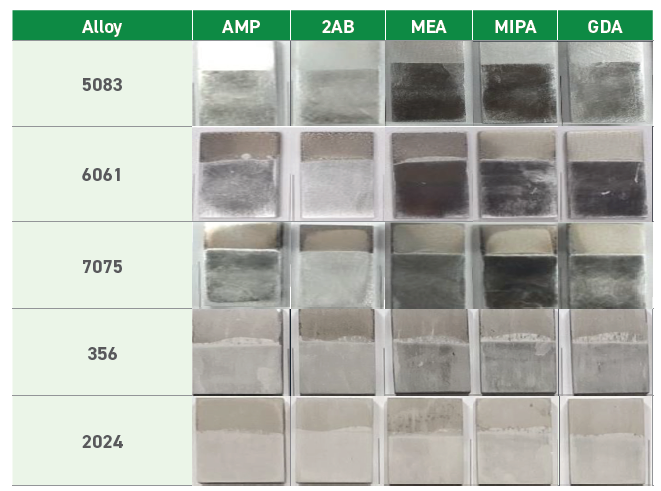 Figure 1. Amines display different degrees of aluminum staining, which is also dependent upon exposure to a specific aluminum alloy. AMP (2-amino-2-methyl-1-propanol) and 2AB (2-amino-1-butanol) display significantly reduced aluminum staining over the five aluminum alloys tested compared to MEA (monoethanolamine), MIPA (monoisopropanolamine) and DGA (diglycolamine). Figure courtesy of Advancion Corp.
Leaching of cobalt from carbide tooling can potentially lead to a reduction in tool life which is a critical parameter used by end users to evaluate MWF performance. Four amino alcohols were evaluated for their tendency to solubilize cobalt when contained in MWFs interacting with tungsten-carbide tooling at a typical pH buffering range between 8.5-9.5. The results presented in Figure 2 indicate that AMP and diglycolamine (DGA) demonstrate lower cobalt solubilization as compared to MIPA and MEA.
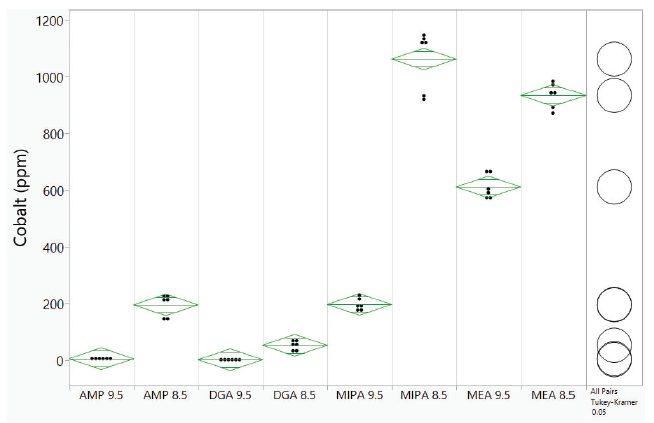 Figure 2. Tool life remains an important parameter used to assess metalworking fluid performance. This study shows how three amines can impact tool life in a negative manner by leaching cobalt from carbide tooling. AMP (2-amino-2-methyl-1-propanol) and DGA (diglycolamine) display lower cobalt leaching (solubilization) compared to MIPA (monoisopropanolamine) and MEA (monoethanolamine). Figure courtesy of Advancion Corp.
Havelka says, "Reduced cobalt leaching is an important parameter because it can mitigate concerns related to worker exposure and environmental management in carbide-intensive operations."
Ash emphasizes that the cost benefit of an amine in a MWF must be prioritized. He says, "Too many formulators focus on the price but not enough on the benefit since pH buffering is the only property they consider. Some amines have a multifunctional impact including extending fluid life, and improving corrosion inhibition. In some cases, proper selection of an amine can replace or significantly reduce the usage of other additives."
Sheehan says, "The specific amine choice depends on a combination of application-specific performance requirements, compatibility with other formulation components and operating conditions. Due to the specialized nature of lubricant formulations, selections are often developed jointly with additive suppliers and are typically confidential."
Ma focuses on criteria for selection in the use of amine and amine derivatives in driveline applications. He says, "Formulators must pick a specific amine additive based on the following considerations."
-
Aromatic amine antioxidant: Performance, EH&S and seal compatibility will dictate the choice and treat rate.
-
Amine phosphate: Antiwear performance, oxidation, EH&S, seal compatibility and friction requirements will dictate the choice and treat rate.
-
Polyisobutenyl succinimide (PIBSI) dispersant: Oxidation performance (cleanliness) and seal compatibility will dictate the choice and treat rate.
Ma says, "In general, amines have EH&S concerns, and they may be aggressive toward fluoroelastomers. For this reason, the chemistry and treat rate of a specific amine used should be optimized."
Objectionable properties - odor
Amines can exhibit objectionable odors that can lead to difficulties in using them in specific applications. MWFs is a specific application where this issue can lead to problems because end-users work very closely with this lubricant type. Ash says, "Certainly ammonia can have an odor but there are a wide variety of amines that have no or almost no odor. The degree of odor is dependent upon a number of factors including molecular weight and vapor pressure. There are even some amines, depending upon regulation/region, that could be considered very low VOC and would have minimal or no odor."
Havelka indicates that odors issues associated with amines in MWFs are most commonly linked to volatile, low-molecular-weight amines and to microbial degradation, which can release ammonia from susceptible structures. She says, "Odor issues are best addressed through amine selection, and formulation design, rather than masking. Mitigation strategies include selecting higher molecular weight, lower volatility amino alcohols, optimizing acid-base balance to minimize excess free amine and avoiding over-alkalization. Effective sump hygiene and fluid management are also essential, as odors are often a symptom of broader fluid degradation."
Koenig indicates that use of VPIs is preferred and commonly accepted in minimizing objectionable odors. He says, "In the case of urea greases, reaction of amines with isocyanates to form the thickener effectively eliminates the possibility for volatility minimizing any possible odor issue."
Sheehan states that while the chemical nature of amines can produce distinctively strong and pungent odors, particularly for low-molecular-weight amines, most amines used in lubricants are higher in molecular weight which leads to a noticeable reduction in observed odors. She adds, "Amines used in lubricants are often heavily diluted and used as an individual component in additive packages, which further helps to minimize odors."
Dixon reveals that amines can exhibit objectionable properties including odor. He believes that fatty amines are more desirable as an option because they generally have lower volatility and therefore are less odorous than ethanolamines and other short-chain amines. He says, "But note that some fatty amines can still exhibit intrinsic odors. To mitigate odor issues, formulators need to initiate a molecular selection and design process that involves selecting higher molecular weight (fatty) amines to reduce volatility, and use of amine derivatives that typically exhibit reduced odor. Amines should also be handled in well-ventilated areas using appropriate personal protective equipment (PPE) and safe handling procedures."
Applications requiring more than one amine
Sheehan says, "Amines are extremely versatile and can deliver many complementary performance benefits across various lubricant applications, such as detergency, corrosion protection and formulation stability. The choice of multiple amines in a formulation is based on the need to achieve a specific performance profile, with the selection and combination tailored to the desired end-performance requirements of the lubricant."
Ma reveals that lubricant formulations typically require more than one type of amine. He says, "Aromatic aminic antioxidants are present in almost all lubricants, such as engine oils, driveline fluids, industrial gear oil, hydraulic fluids, etc., that require thermal stability. Engine oils will need at least two types of amines, an aromatic aminic antioxidant and a PIBSI dispersant. Other types of amines may be necessary depending on the application."
Koenig gives two examples where formulators may consider using more than one amine. He says, "The combination of two aminic antioxidants of different types results in better oxidation stability than the use of the same treat rate of only one aminic antioxidant. Using a non-volatile and a medium volatile amine in water-based MWFs would provide corrosion inhibition in both the water and vapor phases."
Havelka explains that MWFs frequently require more than one amine because different amines provide complementary functions. She says, "A common strategy is combining a high-efficiency pH adjuster with a more complex buffering amine to provide both rapid pH development and long-term pH control. This approach can also reduce the possibility of odor formation in MWF systems. Blending more than one amine can reduce the reliance on a single component, ensuring compatibility with the biocide, and corrosion inhibitor package and designing fluids for the long-term pH stability to reduce the need for tankside additions."
Multiple amines may be used to address specific in-use challenges such as extending sump life. For example, a formulation may rely on low-molecular-weight amino alcohol for efficient neutralization while incorporating a more complex amino alcohol such as 34AO to enhance biocide performance through synergistic bioresistance effects.
Havelka says, "A widely used approach to evaluate bioresistance is ASTM E227,
Standard Practice for Evaluating Water-Miscible Metalworking Fluid Bioresistance and Antimicrobial Pesticide Performance. Relative bioresistance is determined by challenging fluids with bacterial and fungal inoculum, which may be either characterized (specific known organisms) or uncharacterized (isolates obtained from spoiled MWFs). Bioresistance is defined in terms of resistance to increase in biomass or viable counts, as well as changes in key chemical or physical properties such a pH, odor and fluid stability."
Figure 3 furnishes data obtained from a bioresistance study where four amino alcohols (MEA, MIPA, DGA and AMP) are formulated into a semisynthetic fluid formulation that included two registered biocides, benzoisothiazolinone (BIT) and hexahydrotriazine (triazine). Havelka says, "Each formulation was tested with and without the addition of a more complex amino alcohol, 3A4O and fluid pH was maintained at equivalent levels. Testing was conducted using a modified ASTM E2275 multiple-challenge protocol with bacterial and fungal isolates from spoiled MWFs."
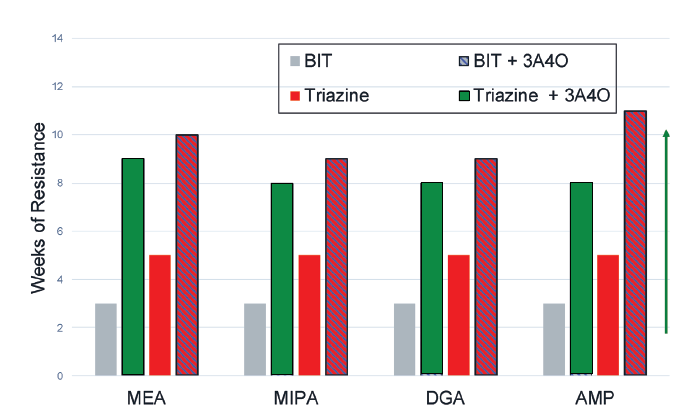 Figure 3. A bioresistance study shows the impact of 3A4O (3-amino-4-octanol) in working with the biocide BIT (benzoisothiazolinone) in exceeding the performance of hexahydrotriazine (triazine). Figure courtesy of Advancion Corp.
The data measures fluid failure in terms of the number of weeks that bioresistance is maintained. Havelka says, "The combination of BIT and 3A4O exceed the bioresistance performance of hexahydrotriazine alone, demonstrating that selected amino alcohols can strongly enhance biocide effectiveness without being biocidal themselves. Collectively, these datasets demonstrate that amine selection based on structure‑property relationships enables formulators to distinguish amines that provide acceptable initial performance from those that deliver durable, reliable performance over extended sump life, enabling formulation flexibility and reducing reliance on lengthy field trials."
The versatility of amine chemistry leads formulators to use more than one type according to Dixon. He says, "Amines and their derivatives serve multiple functions including acting as dispersants (e.g., polyamine-based systems), corrosion inhibitors, antioxidants, ashless friction modifiers, TBN boosting additives, pH control agents and emulsifiers."
Amines exhibiting the latter two functions are used primarily in MWFs.
Dixon states that the reason for using more than one amine is that they offer a combination of complementary functionalities that no individual amine can deliver. Among the factors to consider is the need for different functionalities within a single formulation, distinguish the role of amines between being surface-active as compared to in the bulk-phase, the need to balance synergistic and antagonistic interactions among additives, and the need for effective performance over a wide range of temperatures and conditions (which can only be achieved by employing multiple components).
Ash says, "Water-based MWFs (emulsifiable oil, semisynthetic and synthetic fluids) will probably need amines, and amine choice will depend on a variety of factors such as cost, metal, fluid life goals, waste treatment, etc. In our standard recommended formulations, we typically include two to three amines: a base/cheaper amine such as MEA or TEA and then a multifunctional amine additive(s) to improve performance and extend fluid life."
Evaluation of amines
Ma provides a list of tests that should be conducted for gear oils, including industrial gear oils and driveline fluids that contain amines. The list of tests and the test procedures are documented in Table 1. Ma says, "These tests are needed to optimize the oxidation, rust, friction, metal deactivation and antiwear properties of a specific lubricant.
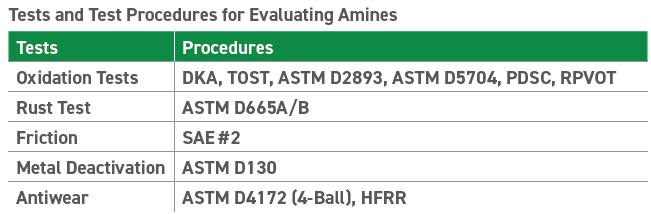 Table 1. The versatile nature of how amines contribute to the performance of lubricants means that they need to be evaluated for at least the five characteristics (oxidation, rust, friction, metal deactivation and antiwear) listed. Table courtesy of BASF Corp.
Figure 4 presents data generated on two EDFs (EDF-1 and EDF-2), that were evaluated using the DKA oxidation test. The procedure was conducted utilizing the test conditions shown in the upper right-hand corner of the figure, and the results were determined at the end of the test (EOT). Ma says, "EDF-2 displayed inferior performance due to the much higher increase in kinematic viscosity (Kv) found at 40°C and 100°C. This result is probably due to the presence of more active sulfurized additives in EDF-2."
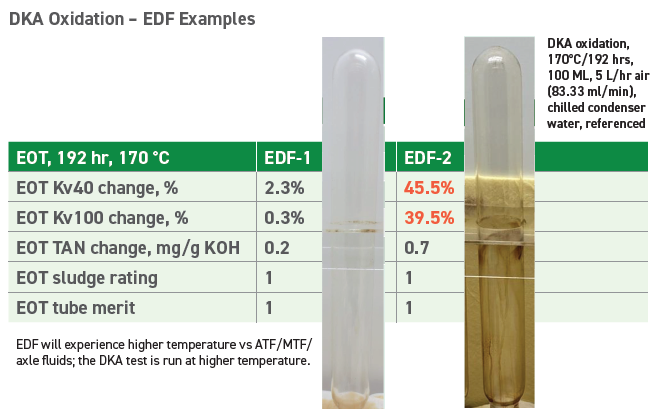 Figure 4. Two electric drive fluids (EDF-1 and EDF-2) were evaluated using the DKA oxidation test using the conditions listed in the upper right-hand corner of the figure. As indicated by the higher viscosity change, EDF-2 exhibited inferior performance due to the presence of more active sulfurized additives. Figure courtesy of BASF Corp.
A second test is L-60-1 (ASTM D5704) that is also designed to evaluate the oxidation of transmission oils. In Figure 5, results from the evaluation of two manual transmission fluids (MTF-1 and MTF-3) are shown. The exceptionally high increase in Kv at 100°C, pentane and toluene insolubles, carbon varnish and sludge found at the EOT are due to the high active sulfur in MTF-3 compared to MTF-1.
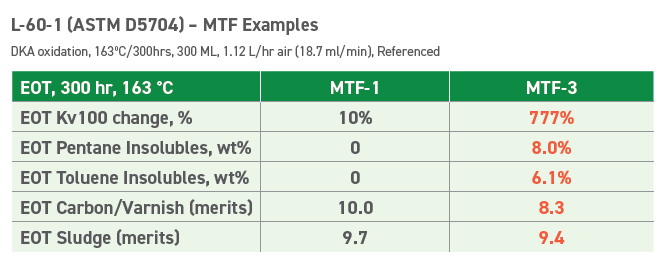 Figure 5. Evaluation of two manual transmission fluids (MTF-1 and MTF-3) for thermal and oxidative stability was conducted using the L 60-1 (ASTM D5704) test procedure. The procedure is provided in the upper right-hand corner of the slide. MTF-3 displays a more significant increase in viscosity, and higher pentane and toluene insoluble, carbon varnish and sludge at the end of the test (EOT) due to a high level of active sulfur compared to MTF-1. Figure courtesy of BASF Corp.
Images showing the test parts after MTF-1 and MTF-3 were evaluated are shown in Figure 6.
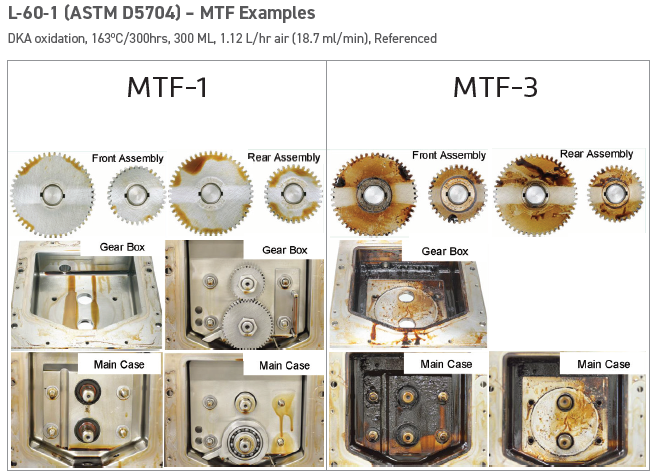 Figure 6. The test parts used after MTF-1 and MTF-3 were evaluated are shown. Figure courtesy of BASF Corp.
Koenig states that evaluation of amines should involve solubility testing, compatibility testing and performance testing. He says, "First of all, solubility testing in the considered base stock should be conducted under the storage and application temperatures required for a specific lubricant. Compatibility testing is important to better understand how a specific amine in a particular formulation will interact with materials which may come into contact by purpose or incidentally. Examples include metals (in particular cobalt), copper and its alloys and seal elastomers."
For performance testing, Koenig focused on polyurea grease thickeners formed from amines and isocyanates. Oxidation stability, corrosion inhibition, the extent of thickening and thermal stability need to be determined.
Sheehan points out testing is needed to provide insight on the contribution of amines to wear protection, system cleanliness, air handling and corrosion resistance within a formulation. She says, "Amines are generally evaluated within fully formulated additive packages under application-relevant conditions. Typical testing includes for lubricity (four-ball wear, scuffing and extreme pressure), foaming and air release (ASTM D892, and Coriolis meter test for entrained air), corrosion (ASTM D130, vapor phase testing), etc."
Fatty amines testing is focused on determining their performance as a friction modifier in wet clutch systems. Dixon says, "A combination of bench tests, tribological testing, performance rig tests and compatibility assessment are conducted to ensure compliance with the key industry standard defining friction transfer for power transfer, JASO T903 (MA1/MA2). Initial evaluation of amines starts with using the pin-on-disk (POD) test to assess boundary lubrication behavior, friction material interactions and the adsorption characteristics of the amine additive. Ensuing determination of dynamic friction (governs shift feel and engagement smoothness), static friction (determine torque capacity and resistance to slip) and stop time (reflects engagement speed and influences wear) is determined by the use of the SAE #2 friction test."
Dixon states that friction stability (μ–v behavior) and durability over repeated cycles are critical to avoid shudder or stick-slip. The coefficient of friction must be sufficiently high to prevent slip, while remaining controlled to avoid harsh or grabby engagement.
Figure 7 demonstrates Stribeck curves (coefficient of friction versus entrainment speed) for a series of six C16-C18 fatty amine derivatives that differ in headgroup functionality, and ethoxylation. Dixon says, "Stribeck curves were prepared for formulations based on 6 cSt Group III base oil, each formulated with 0.5 wt. % of a single amine and tested under identical conditions (20°C, 50% slide-to-roll ratio [SRR], 20 Newtons [N]). Clear differences were observed in the boundary and mixed lubrication regimes, where molecular structure drives friction reduction, while all systems converge under hydrodynamic conditions."
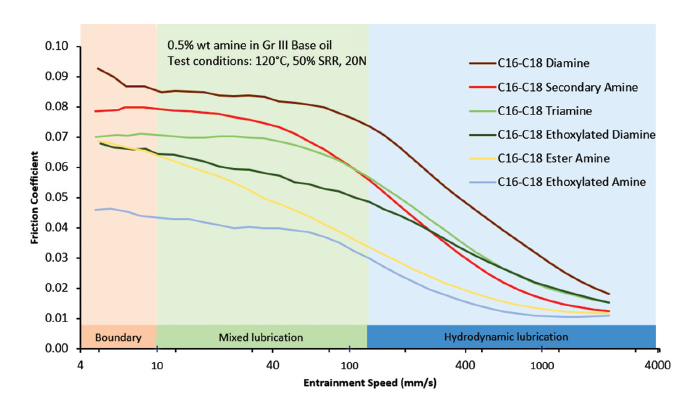 Figure 7. Stribeck curves for six C16-18 fatty amine derivatives demonstrate that changes in headgroup functionality and ethoxylation lead to differences in friction reduction in the boundary and mixed lubrication regimes. Figure courtesy of Nouryon Corp.
Dixon concludes that this wide range of molecular architectures enables targeting tuning of interfacial adsorption and frictional behavior in lubricated contacts.
Ash indicates that the most practical way to test an amine is in a "real world" formulation related to the application involved. He says, "For water-based MWFs, certain criteria that amines could influence when utilized in a formation should be evaluated. Test protocols that should be conducted include pH, concentrate and emulsion stability, ferrous and non-ferrous protection and other extended tests to evaluate longer term resistance to bacterial and fungal degradation.
For example, Ash presents a procedure for evaluating the emulsion stability of a medium oil, semisynthetic formulation for 12 weeks using the test conditions and procedure in Figure 8. The test setup is shown in Figure 9.
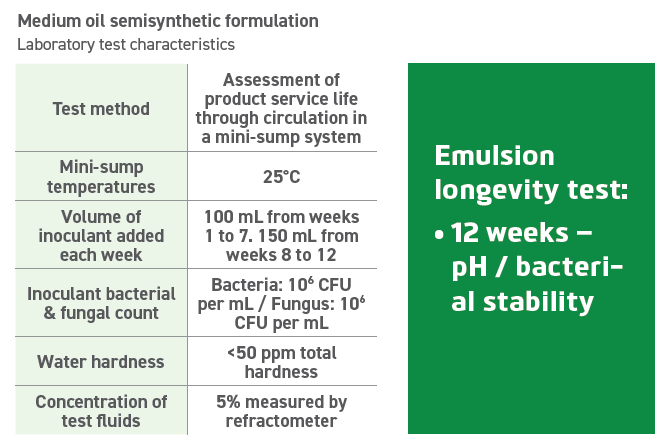 Figure 8. The test procedure for evaluating emulsion stability involves circulating a semisynthetic metalworking fluid in a mini-sump system for 12 weeks. Figure courtesy of Eastman Chemical.
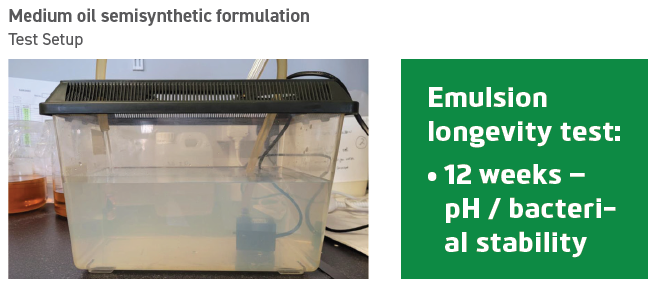 Figure 9. This figure shows the emulsion stability test setup. Figure courtesy of Eastman Chemical.
Havelka says, "Evaluation of amines for MWFs should include a combination of bench-scale screening, formulation-level testing and simulated in-use evaluations. Initial screening typically focuses on neutralization efficiency, pH development, buffering capacity, compatibility with other formulation components and a preliminary assessment of bioresistance."
Besides the aluminum staining, cobalt leaching and bioresistance testing discussed earlier in this article, Havelka suggests that amines used in MWFs should be examined for reactivity with atmospheric carbon dioxide, long-term pH stability and odor development under simulated central-system conditions.
She summarizes, "Together, these tests provide insight not only into initial formulation performance but into how an amine behaves throughout the operational life of the fluid, which is increasingly the key differentiator in modern metalworking applications."
Regulatory drivers
Due to their high degree of alkalinity, amines have always been under regulatory scrutiny as at least a source of potential irritation to users. The result is that regulations have been enacted historically up to the present time to regulate the use of amines.
Havelka says, "Regulatory drivers are highly significant and continue to narrow the range of acceptable amine chemistries used in MWFs. Restrictions related to secondary amines and N-nitrosamine formation, along with increasing scrutiny of worker exposure, environmental impact and hazard classification, have shifted industry preference toward primary and tertiary amino alcohols."
Havelka continues, "These pressures favor amines that deliver required performance at lower use levels, support global regulatory compliance and simplify labeling and risk management. As regulatory expectations continue to evolve, amine selection has become a strategic, formulation decision, rather than a purely technical one."
The regulatory pressures restricting the use of some amines are, in Havelka's view, leading to continuing innovation in amino alcohol chemistry, which is expanding the range of compliant options available to formulators. Havelka believes that new molecular designs are under development to address, regulatory, performance and sustainability requirements simultaneously, providing formulators with additional tools to meet increasingly complex global demands.
Ash considers regulation of amines to be an important driver that can provide the formulator with some benefits. He says, "Amines can be used to improve MWF life while reducing the use of other additives such as biocides and boric acid which are themselves, subject to regulatory scrutiny."
Ma indicates that the lubricant formulators are driven by EH&S, (for environmental, health and safety) considerations, as well as durability and efficiency. Newer chemistries/formulations are needed to meet current and future lubricant requirements while older chemistries are eventually phased out due to continuing or emerging EH&S challenges.
He says, "Regulations do significantly impact the choice and treat rate of amines in lubricant formulations. The EU REACH regulations focus on substitution of substances that are CMR (Carcinogenic, Mutagenic or toxic to Reproduction) and PBT (Persistent, Bioaccumulative and Toxic).
Based on these regulatory trends, Ma believes that long chain amides/esters are replacing long chain amines for rust protection because they have lower levels of aquatic toxicity and skin irritation. A second amine type, triazole derivatives used in metal deactivation, are under regulatory scrutiny due to their persistence as micropollutants in aquatic environments.
Dixon feels that regulatory pressure is affecting all additive classes, leading to increased scrutiny of substance classification and use. While this impacts amines, this range of acceptable chemistries across multiple additive families is also facing similar pressures.
Dixon says, "Formulators are now left with a smaller set of additives that meet both performance requirements and regulatory or hazard constraints. This increases the need to balance, performance against regulatory acceptance and often drives reformulation or the use of optimal or higher cost alternatives. Other factors that formulators will need to consider are that OEMs and their customers may impose their own restricted substances lists and regional fragmentation may require the need for one lubricant to be prepared using multiple formulations to meet regulatory requirements that differ by geographical market."
Sheehan recommends that formulators engage in a regulatory review when introducing any new amine technologies. She says, "The reason is that amines and all other raw materials and additives must be evaluated not only for performance but from a regulatory standpoint. This process is required to enable formulators to meet increasingly stringent environmental, health and safety regulations."
Substituted diphenylamines (SDPAs)
Two contributors to the article provide their insight on substituted diphenylamines (SDPAs).
STLE member Dr. Jun Dong, global senior technical manager, Fuel and Lubes Additives at SONGWON Industrial-Americas, Inc. in Friendswood, Texas, says, "Two of the most widely used aminic antioxidants, the C4-C8 and C9 SPDAs, have recently been classified by the industry as Reproductive Toxicants Category 2 following the availability of new study results. EU authorities are currently conducting their own assessment, and there is a possibility that these SDPAs may be further classified as Reproductive Toxicants Category 1B in the near future. Such a classification could limit the use of SDPAs in certain applications, although the precise regulator consequences remain uncertain at this time. Implications outside of Europe are presently unknown."
STLE member Kevin DeSantis, technical marketing manager, Fuel and Lubricant Solutions at BASF Corp. in Tarrytown, N.Y., says, "One of the most widely used categories of aminic antioxidants are SDPAs. The two main SDPAs, C4/C8 and C9 SDPA, have just been reclassified under the United Nations Globally Harmonized System of Classification and Labeling of Chemicals (GHS) as Reproductive Toxicity Category 2."
DeSantis continues, "Within the EU, a CLH process for a mandatory classification as Reproductive Toxicity Category 1B has been initiated. The expected timeline for a potential reclassification is Q1 2027, followed by an 18-month transition period."
Dong says, "SDPAs contain different types of isomers than the incumbent (C9) DPAs, and butyl, octyl (C4, C8) DPAs. Substituted diphenylamine-based products usually contain complex mixtures of isomers that can vary in hydrocarbon chain length, structural configuration and degree of substitution. Each variation may carry different regulatory profiles; therefore, proper modifications may lead to favorable outcomes. The performance of a properly modified product can depend on several factors with nitrogen content being the most important one as it directly relates to antioxidant activity. When treated at equal weight in lubricants, products containing higher levels of nitrogen usually perform better. The hydrocarbon configuration, degree of substitution and test method can also play important roles in antioxidant performance."
Two other classes of aminic antioxidants are alkylated phenyl-alpha-naphthylamines (APANs) and substituted phenylene diamines. APANs have side chain lengths typically ranging from C8 to C12. Dong says, "They can be a challenge to blend due to their high viscosities and applications have been historically limited to aviation turbine oils and specialty lubricants. APANs are generally superior in performance to the incumbent antioxidants, especially in the RPVOT oxidation test (ASTM D2272), which is a common requirement for industrial lubricants.
Substituted phenylene diamines find little use in lubricants probably due to their concerning corrosivity and more aggressive regulatory profiles, according to Dong. He adds, "This class of antioxidants can also exhibit strong colors that can make finished lubricants aesthetically undesirable. Substituted phenylene diamines may be used as performance boosters when the treatment level of incumbent aminic antioxidants must be reduced."
When compared to hindered phenolic antioxidants, Dong indicates that aminic antioxidants display better performance in high temperature applications. Phenolic antioxidants may best be used as synergistic boosters with those types possessing primary and secondary antioxidant functionalities providing the better benefits than single functional phenolics.
DeSantis provides his perspective on SDPAs and APANs. He says, "SDPAs are still the most cost efficient antioxidants and continue to offer superior high temperature performance and durability compared to alternatives such as hindered phenolics and phosphites. While alternatives to the existing SDPAs are currently being explored, these SDPAs are expected to remain essential for the lubricant industry for the foreseeable future, until solutions with comparable performance, availability and improved toxicological profiles are developed."
While APANs offer excellent high temperature and durability performance, DeSantis believes that they are not as widely used due to higher cost than SDPAs.
Dixon discussed the challenge for formulators if they need to move away from aminic antioxidants. He says, "The trend that needs to be followed is to rebalance antioxidant systems by combining sterically hindered phenolics with secondary antioxidants such as phosphites or sulfur-containing species to compensate for the loss of aminic components. However, matching the high temperature oxidative stability of aminic systems remains challenging and is highly formulation-dependent."
Future use of amines
Dixon says, "The future of amines in lubricants is best described as continued essential use combined with structural evolution. The focus is shifting from broad substitution toward more targeted selection and molecular design, ensuring alignment with evolving regulatory, toxicological and sustainability requirements while maintaining performance."
Amines will be valued for their diverse range of functions. As an example, Dixon indicates that ashless dispersants where the combination of polarity and chemical reactivity is difficult to replicate with alternative chemistries at equivalent performance and cost."
Sheehan says, "It is difficult to see a future without amines, as they remain an essential component in lubricant formulations due to their multifunctional performance benefits."
For MWFs, Havelka believes that amines are expected to remain as essential additives, particularly as the use of water-based fluids continues to expand. This means that amines will be required to provide effective pH control, corrosion protection and extend fluid life.
Havelka says, "The role of amines in MWFs is evolving from simple neutralization toward integrated performance delivery encompassing buffering control, aluminum compatibility, enhanced bioresistance and reduced maintenance requirements. Looking forward, the emphasis will increasingly be on precision selection, and synergistic combinations of amines that deliver multiple benefits simultaneously including efficient neutralization, durable buffering, mixed-metal compatibility and improved microbial control, while enabling performance at lower overall treat rates."
As the functions of amines expand, Havelka contends that continued innovation in amino alcohol chemistry is helping formulators adapt to this evolving landscape. She says, "New molecular designs are being developed to balance regulatory acceptability with multifunctional performance, expanding the range of compliant options available to formulators despite increasing regulatory and operational constraints. These innovations are enabling MWFs to meet higher expectations for durability, reduced maintenance, lower biocide usage and reduced environmental impact."
Ash feels that amines will continue to play an important role in the formulation of water-based MWFs. He says, "For the future, amines will be required additives in water-based MWFs as long as formulators continue to value their performance benefits and are not restricted in their use by regulations, cost or availability."
Ma predicts that future use of amines will be significantly impacted by EH&S regulations. Despite these potential restrictions, at least three types of amines that are necessary in many applications will be hard to replace.
Ma says, "Finding alternatives for SDPA antioxidants that contribute high temperature protection and extend the durability of engine oils, gear oils, turbine oils, compressor oils, etc., will be challenging. Two other additive classes based on amines that will not be easy to replace are PIBSI dispersants and amine phosphates."
Amines have demonstrated excellent versatility as additives by exhibiting multiple functions in many automotive and industrial lubricant applications. Future use by formulators will be dependent upon cost performance and how the uncertain input of regulations forces formulators to limit the employment of certain types.
Neil Canter heads his own consulting company, Chemical Solutions, in Willow Grove, Pa. Ideas for Tech Beat can be submitted to him at neilcanter@comcast.net.