Bacteria and toxins
By Dr. Selim Erhan, TLT Editor | From the Editor September 2026
From metalworking fluids to food safety, the hidden hazard most of us overlook demands our focus.

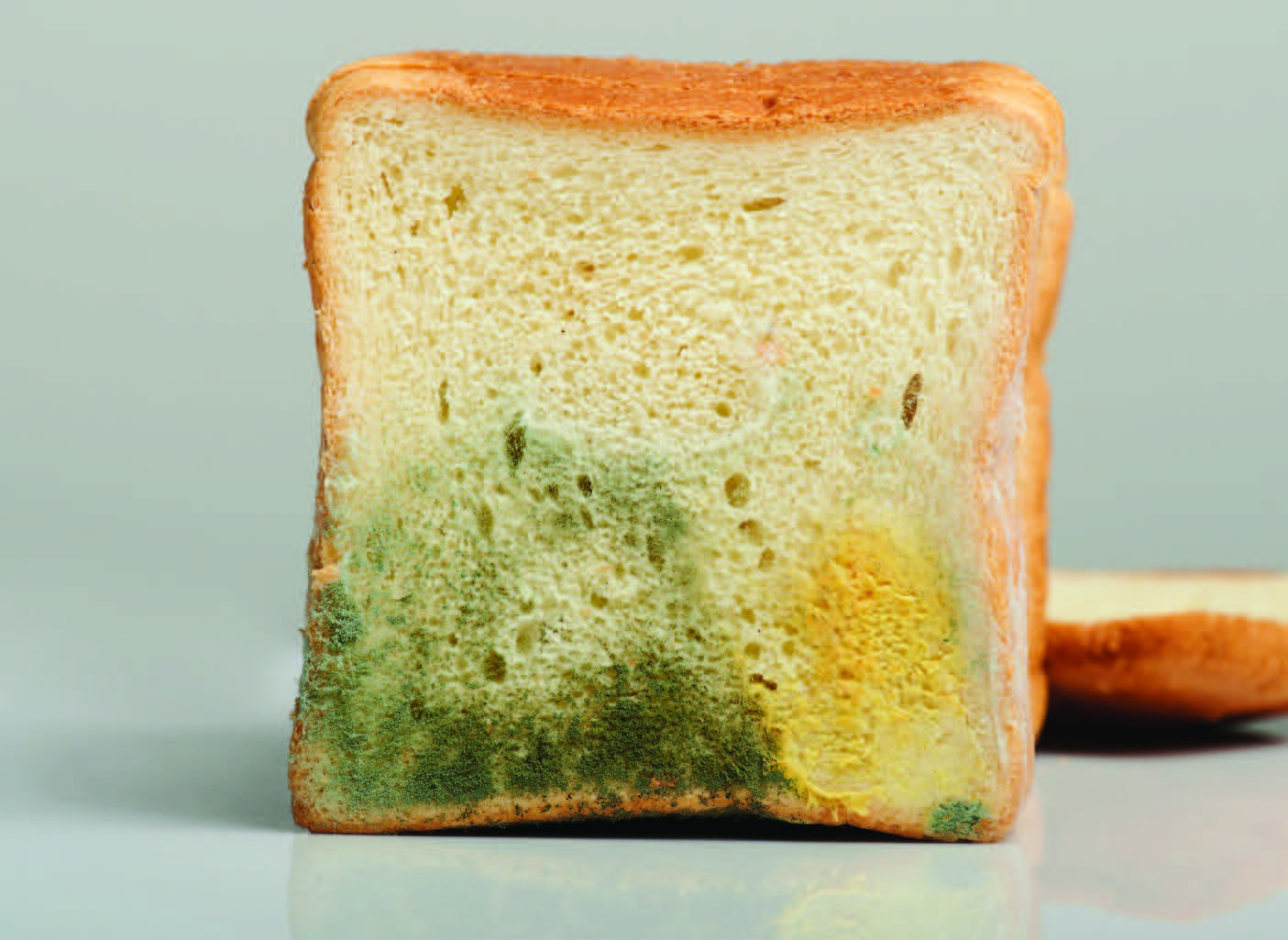
My oldest nephew is getting married; my cousin and his wife came for the occasion, and they are staying with us. He is a well-known microbiologist, and we had long discussions about bacteria, fungi, parasites and toxins. As we talked about the subject of toxins, I realized that this is an area most of us probably don’t think much about. However, the hazards are very serious.
We in metalworking are very familiar with bacteria and fungi. There are good bacteria, bad bacteria and the same for fungi. In metalworking fluids bacteria will metabolize additives, especially emulsifiers causing splits in emulsions. Some of these bacteria are especially dangerous to humans, causing life threatening diseases and emitting very powerful toxins. Under the right conditions, bacteria multiply at a mind-boggling speed. Therefore, the damage can accumulate in a day! When bacteria numbers are very high, they start forming polymeric structures resembling coral reefs in the seas, attaching themselves to the vessel walls and they continue to metabolize additives while the fluid is running through them. However, as there are only few loose bacteria now, the bacterial count does not increase, leading to false security.
Fungus can clog lines necessitating labor intensive cleanups. Shutdowns, loss of products and loss of manufacturing time all become very costly. Therefore, in the metalworking industry there is an increasing effort to monitor and eliminate bacteria and fungus growth. Most of us stop there. In our homes or while traveling we still encounter microorganisms. We think about them, and we do our best to avoid them. We use medication to get rid of them. But there is an area, the toxins that bacteria produce as a result of their metabolism, that I think does not get the attention that it deserves.
If bacteria are allowed to grow on food, and we ingest that food, we may experience effects ranging from mild discomfort to more serious issues, or several days in a hospital. So, it is a situation that can get very serious very quickly. I have seen people microwave or boil food that has been staying a bit longer than they like. High heat or microwaving will kill the microorganisms that will be hazardous. However, while alive these organisms secrete toxins. Some of these toxins are very powerful. Some fungi secrete a toxin called aflatoxin, which irreversibly destroys our liver and kidneys. Heating or microwaving does not destroy toxins.
We all have heard about botulism. Anaerobic bacteria can grow in cans or airtight food packages if that food is contaminated. The toxin paralyzes nerves, and a very small amount can lead to total paralysis and death.
Tetanus, another deadly disease, comes from a bacteria living in the soil. Bacteria protect itself in spores. There are still bacteria that can grow from spores left from studies from Louis Pasteur! Spores have an impenetrable shell like a walnut shell. Oxygen or acids cannot penetrate it. Once anaerobic bacteria reach an anaerobic environment, the spores open and the bacteria start multiplying. For example, bacteria causing tetanus, a very deadly disease, lives in the soil. It needs anaerobic conditions to multiply. If we get a surface scratch, or a shallow wound when we are in contact with soil, these bacteria will not live or multiply when exposed to air or if cleaned with hydrogen peroxide. The body secretes enzymes that convert hydrogen peroxide into oxygen and water, and you see the wound starting to bubble as the oxygen is released and kills bacteria. However, if the skin gets penetrated with a sharp object such as a rusty nail or a shiny brand-new nail that has been in contact with soil, the anaerobic bacteria is pushed deep inside the skin where there are anaerobic conditions. The spores open and bacteria start multiplying quickly. The toxin that they secrete has the ability to sit on nerve junctions and constantly stimulate the nerves and does not leave the junction like a neurotransmitter does. Every single muscle in the body starts cramping followed by a very painful death.
We must remind ourselves that the saying “out of sight, out of mind” is very true, and we must avoid this human trait!
Dr. Selim Erhan is the president of Erbur Solutions in Trout Valley, Ill. You can reach him at selim.erhan@outlook.com.