Where band ends and orchestra begins
By Rachel Fowler, Publisher/Editor-in-Chief | TLT Publisher's Pen March 2026
As we play our instruments, we are discovering hints of tribology along the way.
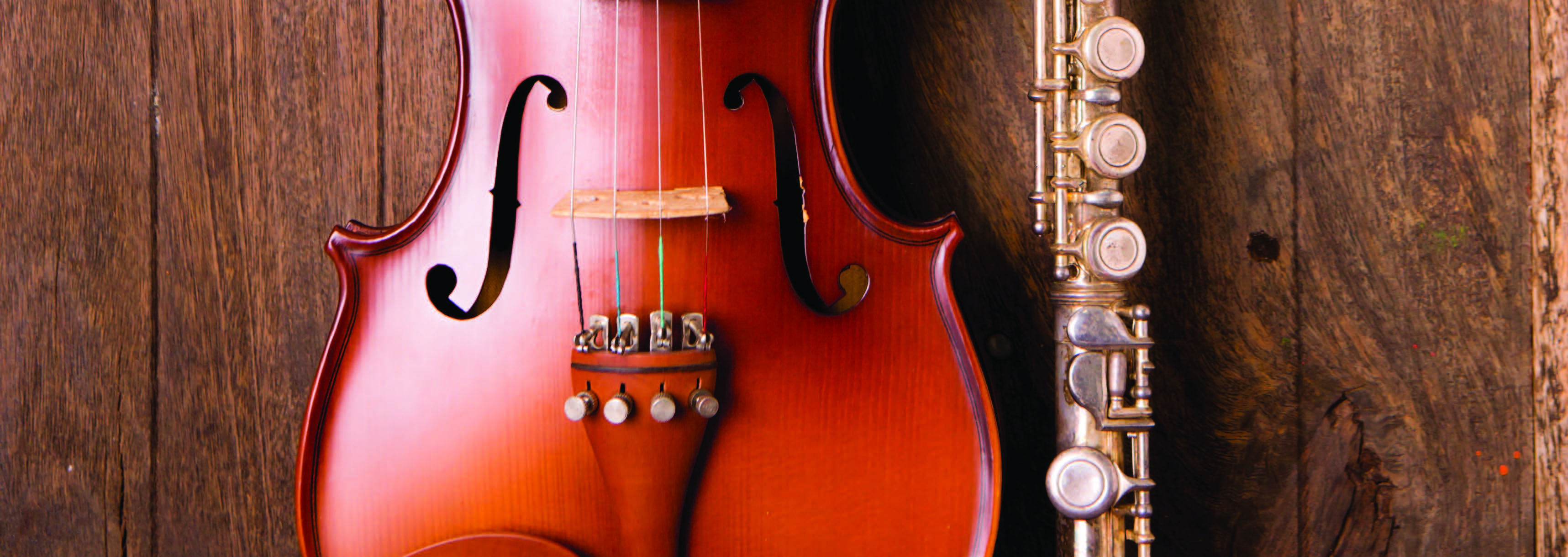
I play the flute, and my 10-year-old son recently began learning the viola, which is an instrument that feels a bit mysterious to me. I spent many years in band—from 4th grade to college—happily sitting in the woodwind section where instruments came with keys instead of strings, and we were learning breathing techniques. But orchestra? That’s another world. Bows, rosin, strings and hand movements that somehow turn into sound. It’s all a bit confusing to me.
When he practices, I catch myself watching more than listening, trying to figure out the mechanics of it all. How much pressure is too much? How fast is too fast? Is he plucking the strings correctly? He’ll ask me if he’s doing it correctly, and I shrug. I nod along like I get it, but it’s a learning curve for both of us. I even struggle to read his music (flute uses treble clef and viola uses alto clef
1), so when he asks about the notes, I have to look it up. I’ll be honest, I’ve watched many YouTube videos on the viola lately.
My son started out the school year just learning how to pluck the viola strings, and now he’s moved on to learning how to use the bow. As he’s taking care of his instrument and the bow, I keep wondering how the flute and viola relate to tribology—because tribology is everywhere. So I did some research.
In the January 2019 issue of TLT, David Whitby wrote a nice article titled “The tribology of music.” He wrote: “Trumpets, saxophones, tubas, flutes, clarinets and similar instruments use valve oils and key oils to ensure effortless action as their mechanisms are pressed and released frequently.”
2 When playing the flute, you are constantly pressing the keys to play the different notes. So proper lubrication and design will minimize wear, increasing the instrument’s lifespan and reducing maintenance needs. If you don’t take care of the keys and the pads, they can get sticky and cause a small squeaky noise. Cleaning and lubricating the pads, keys and flute in general is important. To clean the keys and pads, you can use pad cleaning paper, put it under the key and press down. It’s a simple but important solution!
As for the viola and string instruments in general, Whitby shared some details in his article: “String vibration is generally provided by a bow consisting of a flat ribbon of parallel horse hairs stretched between the ends of a wooden, fiberglass or carbon-fiber composite stick. The hair is coated with rosin to provide controlled stick-slip as it moves transversely to the string. Different types of rosin are available, providing varying amounts of grip or static friction.” My son was fascinated to learn that the bow is made of horsehair.
Another TLT article explains more on the tribology of rosin: “The friction against the string is mediated by rosin, a natural resinous material musicians use to coat the hairs of the bow. The hardest tribology problem is related to accurate prediction of the frictional force put on the strings by the bow.”
3
So no, I still don’t fully “speak viola,” and my son definitely doesn’t speak flute. But we’re figuring it out together, one practice session at a time. And this really does remind me that tribology is connected to everyday life.
REFERENCES
1.
www.musicca.com/clefs
2.
Whitby, D. (2019), “The tribology of music,” TLT,
75 (1), p. 80. Available at
www.stle.org/files/TLTArchives/2019/01_January/Worldwide.aspx.
3.
Aikin, A. (2023), “Violin strings and the tribology of rosin,” TLT,
79 (2), p. 24-30. Available at
www.stle.org/files/TLTArchives/2023/02_February/Webinar.aspx.
You can reach TLT publisher/editor-in-chief Rachel Fowler at rfowler@stle.org.