Bonus Content for STLE Members
20 Minutes With Hamid Mohseni
By Rachel Fowler, Editorial Coordinator | TLT 20 Minutes October 2025
The senior principal engineer and tribology subject matter expert at Pratt and Whitney discusses materials design and innovation leadership.
Hamid Mohseni - The Quick File
An STLE member since 2009, Hamidreza (Hamid) Mohseni is a senior principal engineer and tribology subject matter expert (SME) at Pratt and Whitney (P&W), a leading aircraft engine manufacturer. Mohseni has 15 years of industry experience focused on development of materials, processes and products solutions for a variety of tribological applications in industry sectors such as automotive, oil and gas and aerospace. Mohseni received a doctorate degree in materials science and engineering (2008-2011) from the University of North Texas and holds a master of business administration degree (2021) from the West Texas A&M University. Mohseni’s professional achievements include 35+ publications in peer-reviewed journals, eight U.S. patents and 12 U.S. patent applications under review. During his doctoral studies, he won the platinum award in the Student Poster Competition at the STLE Annual Meeting for two consecutive years (2010 and 2011).
Mohseni’s passion is tribology, and he is always curious to improve on the materials’ limit in terms of their wear performance. At P&W, he is leading several materials solution developments for applications in a range of gas turbine engine sections. He represents P&W’s materials and process engineering in development of innovative technical solutions for tribological challenges utilizing critical and analytical thinking and conducting root cause investigations, materials selection and making recommendations tailored to specific tribo-systems. He has been serving the internal tribology group at P&W as a liaison to facilitate collaboration with universities and national labs, in addition to his volunteer support to the ASM International Connecticut Chapter. Mohseni has been heavily involved with STLE, including voluntarily serving two STLE publications, Tribology Transactions and TLT, as technical editor since 2017. Mohseni won the STLE Al Sonntag Award for best paper in 2017 and acted as paper solicitation chair for the Ceramic and Composite technical session at the 2016 and 2017 STLE Annual Meetings and vice solicitation chair for the Materials Tribology technical session at the 2013 STLE Annual Meeting.
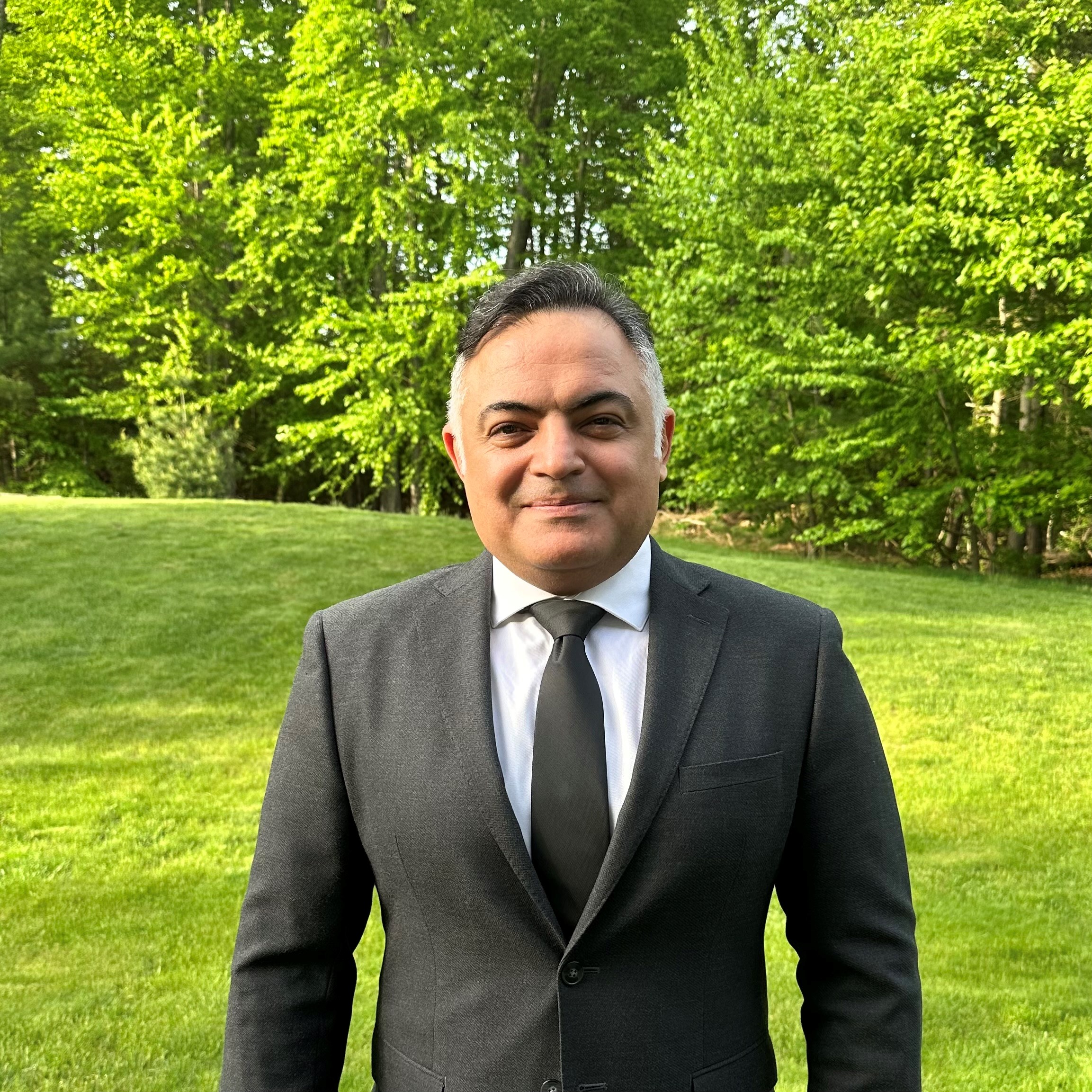
Hamid Mohseni
TLT: How long have you worked in a lubrication-related field, and how did you decide to pursue a career in the lubricants industry?
Mohseni: My tribology-related work started back in 2008 when I decided to pursue a doctorate degree at the University of North Texas and developed thin film solid lubricants to mitigate wear and reduce friction for several applications such as micro-electromechanical systems (MEMS) devices, carbon-carbon composites and steel bearings. I have always been amazed by developments and innovations in materials science and engineering. During my career, working as a materials corrosion engineer for Savcor in Sydney, Australia (2005-2007), part of my duties included leading failure analysis investigations of cathodic protection field parts and communication of the findings to customers. That opportunity helped me to realize and appreciate the importance and true potential of surface engineering and corrosion protection, and how a best coating practice can save significant cost, energy and time in many engineering applications. This experience motivated me to pursue a doctorate degree in materials tribology and to make an impact to the society.
 TLT: What has been your most rewarding accomplishment throughout your career in the lubricants industry?
Mohseni: The most rewarding accomplishment is when an engineering solution finds its way from concept to industrialization and production. In my role at Bosch as an innovation lead and tribology SME, I led a team of engineers to develop a reinforcing structure that enhanced the wear life for automotive brake pads practicing different aspect of solution development, such as material selection, detailed characterization and property and performance testing, and solution incorporation methods. It was a multi-year development program that included numerous iterations, ensuring the manufacturability and the risk of incorporation. In my current role at P&W, I have been leading similar opportunities to work on cutting-edge technology development to address engineering challenges relevant to materials and tribology for gas turbine engines. For me, making a solution work and seeing it flying in an engine is the ultimate reward and achievement, which feed my excitement.
TLT: What is the No. 1 piece of advice you would give to a person who might be interested in starting a career in the lubricants industry?
Mohseni: Tribology is an interdisciplinary field with many opportunities to develop your knowledge and skills. Finding a mentor and volunteering in professional societies would be good ways to start your journey.
TLT: Throughout the different segments within your career, which one has been the most interesting, challenging and/or rewarding?
Mohseni: My current role at P&W has been the most interesting and rewarding role. The collaborative and teamwork culture promotes innovation and expands your perspective, and there are endless opportunities for growth and development.
TLT: What are some of the most technical lubrication-based concepts or topics that you have encountered throughout your career?
Mohseni: Proper materials selection or materials design for friction and wear applications is the main technical challenge. Each tribo-system is different and unique in terms of the underlying dynamics that are responsible for friction and wear as system-level properties. Any potential material combinations must check off many boxes to meet the design space requirement of a subject tribo-system. It is all about the materials and environment (operational conditions); they both matter.
TLT: What is the one thing you wish you would have learned earlier in your career?
Mohseni: I would encourage any students or emerging engineers to get involved by joining a professional society, develop your professional network, learn from others and keep enjoying the work you do.
You can reach Hamid Mohseni at Hamid.Mohseni@prattwhitney.com.