Meet the Presenter
This article is based on a webinar presented by STLE Education on December 11, 2024. Lubricating Grease – Technology, Evolution, Evaluation & Sustainable Lubrication Solutions is available at www.stle.org: $39 for STLE members, $59 for all others.
Anuj Mistry is application engineer – OEM/Automotive Grease and previously product manager - Grease at FUCHS Lubricants Co. with 16 years of experience, working in multi-segment customer engagement and product portfolio. He has a bachelor of science degree in applied chemistry and is a Chartered Chemist and Chartered Scientist. Mistry is active in STLE, NLGI, ELGI, SAE and ASME, and has presented and published technical papers as well as volunteered on committees with STLE and NLGI.
You can reach Anuj Mistry at anuj.mistry@fuchs.com.

Anuj Mistry
KEY CONCEPTS
•
The manufacturing process plays a critical role in delivering on grease formulation quality.
•
The primary purpose of grease is to reduce friction and minimize wear between moving surfaces, and it also increases efficiency, seal against contamination, protects against corrosion and reduces noise and dampens vibration.
•
Grease selection is an application-based decision that should balance operating conditions, equipment requirements and cost expectations.
The main focus of this article is on lubricating grease technology. It covers an overview of lubricating grease, global grease production and evolution, grease testing methods, market and technology trends and developments and lubrication requirements for general end-user applications.
This article is based on the STLE webinar titled Lubricating Grease – Technology, Evolution, Evaluation & Sustainable Lubrication Solutions presented by Anuj Mistry. See Meet the Presenters for more information.
Lubricating grease overview
The history of lubrication goes back many years. From early ages, animal fats were used as key lubricants
(see Figure 1). The lubricating grease, as we know it today, was first used in the mid-1800s in technologies such as calcium greases and sodium greases. At that time, the application demands were not that stringent and demanding as they are today. As time progressed, the extreme pressure solid additives came into existence, such as the moly disulfide, graphite, etc. In the 1900s, lubrication started evolving dramatically. Aluminum complexes came along, and as the demands for performance became more advanced and stringent, complex greases were developed. More recently, technologies such as calcium sulfonates and polyureas came into existence. Today, we have a wide range of grease types that serve different industry segments such as automotive, mining, rail, etc.
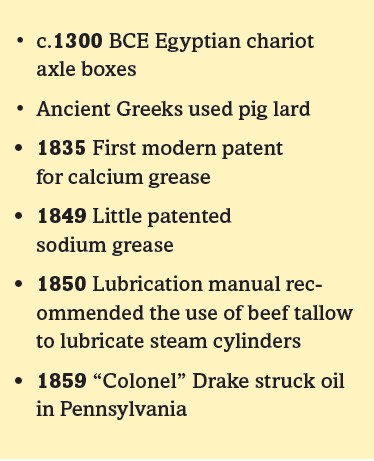 Figure 1. Early milestones in lubricating grease history. Figure courtesy of FUCHS.
Grease definition
Essentially there are three main components that all greases have in common: base oil, additives and thickeners
(see Table 1). The manufacturing process plays a critical role in delivering on grease formulation quality.
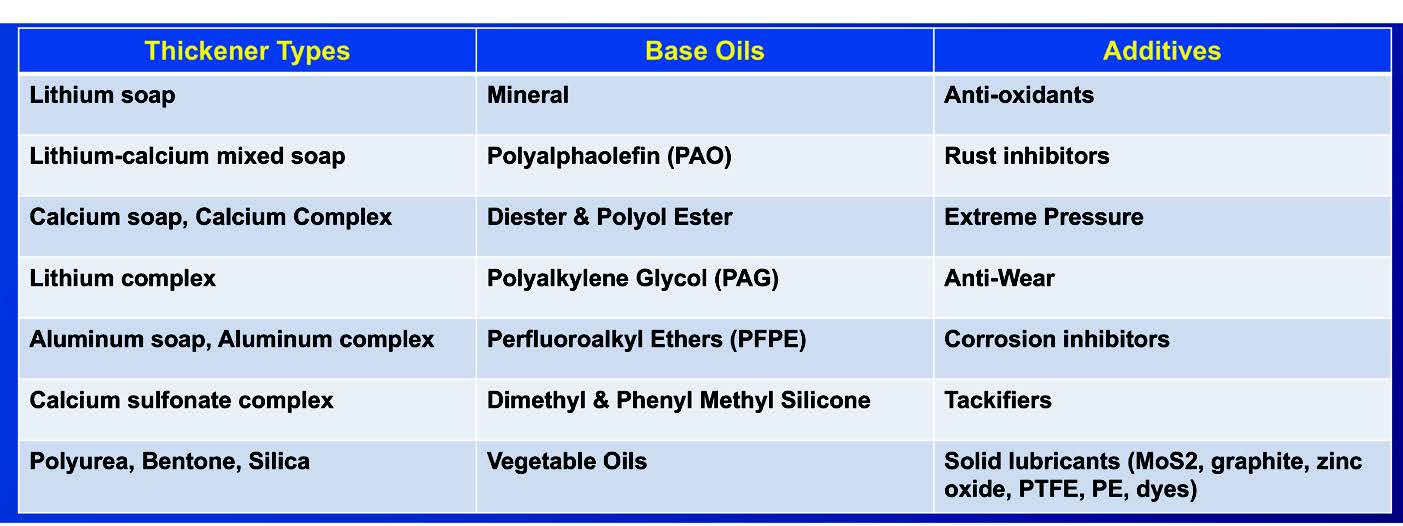 Table 1. Common components used in lubricating grease formulations
Figure 2 shows examples of grease thickener systems including polyurea, calcium sulphonate, lithium and sodium.
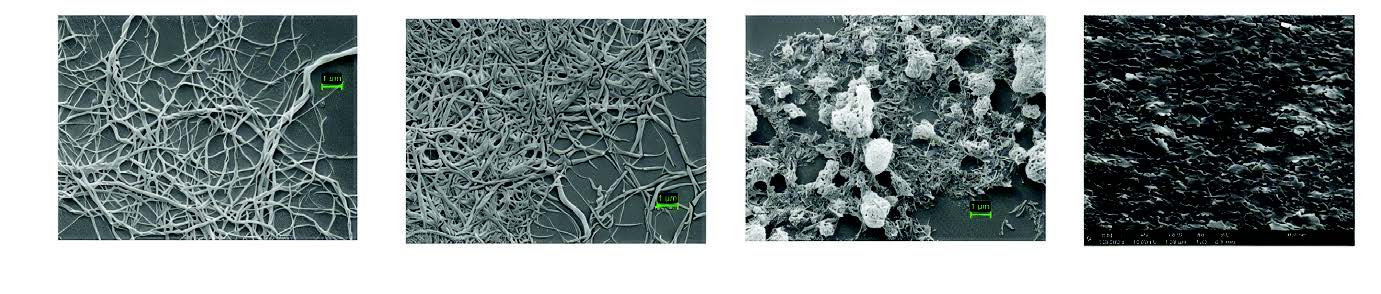 Figure 2. Micrographs of grease thickener chemistries (right to left): polyurea, calcium sulphonate, lithium and sodium. Figure courtesy of FUCHS.
Binary grease formulations are also used where two thickeners within one formulation are used to achieve target performance benefits.
Grease manufacturing processes
Figure 3 illustrates two main grease manufacturing processes. On the left is the open kettle process, where base oils, fatty acids and other raw materials are added into the open vessel for reaction and process. The grease is then finished through a homogenizer or a mill.
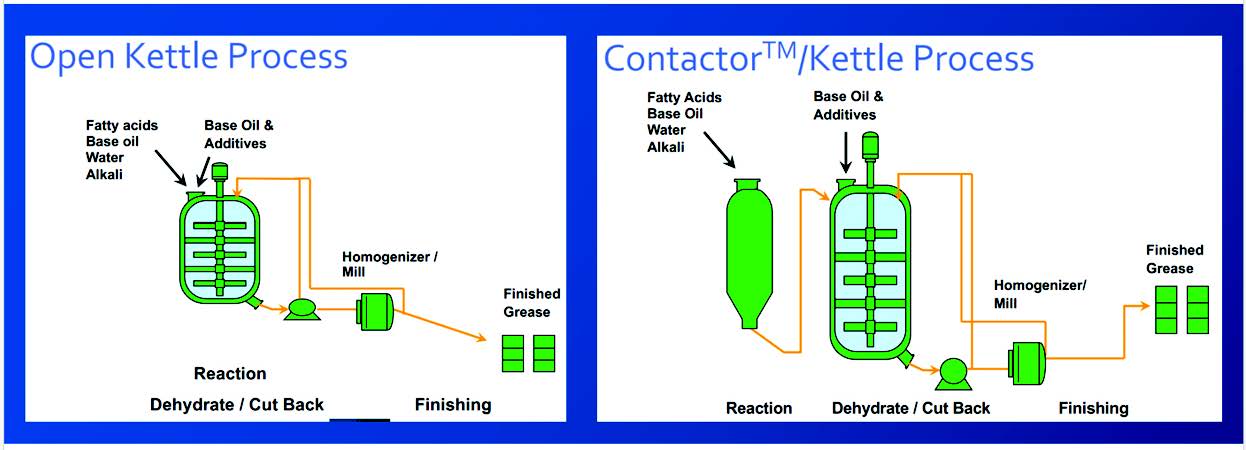 Figure 3. Grease manufacturing processes. Figure courtesy of NLGI.
On the right is the pressurized vessel process, known as a contactor system. In this process, ingredients can be pre-mixed and then introduced into the main reactor under significant pressure and then finished while using similar equipment such as a mill and a homogenizer as in the first process.
The key difference between the two processes is the use of pressure in the closed vessel system. Regardless of the manufacturing process, it is important to make sure that the batch-to-batch production is identical each time, otherwise any slight deviation could lead to an undesirable outcome and affect the final grease performance.
Purpose of grease
The primary purpose of grease is to reduce friction and minimize wear between moving surfaces. Figure 4 illustrates a cutaway bearing where grease also serves as a barrier against contamination. Grease also provides sealing capability, corrosion protection, noise reduction and vibration damping. Grease plays a significant role from multiple perspectives, with key functions including:
•
Lubricate, i.e., prevent two friction points from contacting each other
•
Reduce friction, wear and tear
•
Increase efficiency
•
Seal against contamination
•
Protect against corrosion
•
Reduce noise and dampening vibration
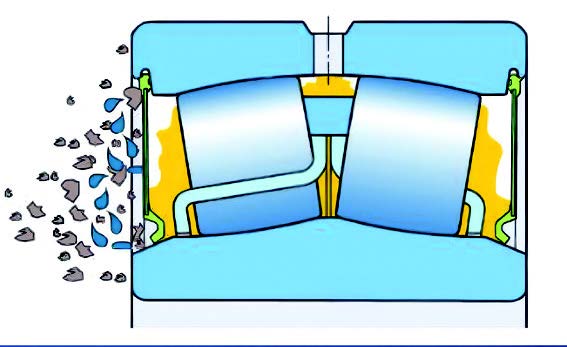 Figure 4. Cutaway of a bearing. Figure courtesy of FUCHS.
Global grease production and evolution
Figure 5 shows evolution of grease production volume globally since 2016. This data is courtesy of NLGI. The left side shows thickener split; lithium and lithium complexes have been the front runners for many years, whereas calcium sulfonates and polyureas are evolving dramatically. In 2023 there were 1.5 million tons of grease made globally. On the left we see growth of calcium grease and degrowth of lithium mainly coming from China, Europe and North America. Today and looking ahead there will be more growth of complex technologies as well as binary formulations such as lithium and calcium.
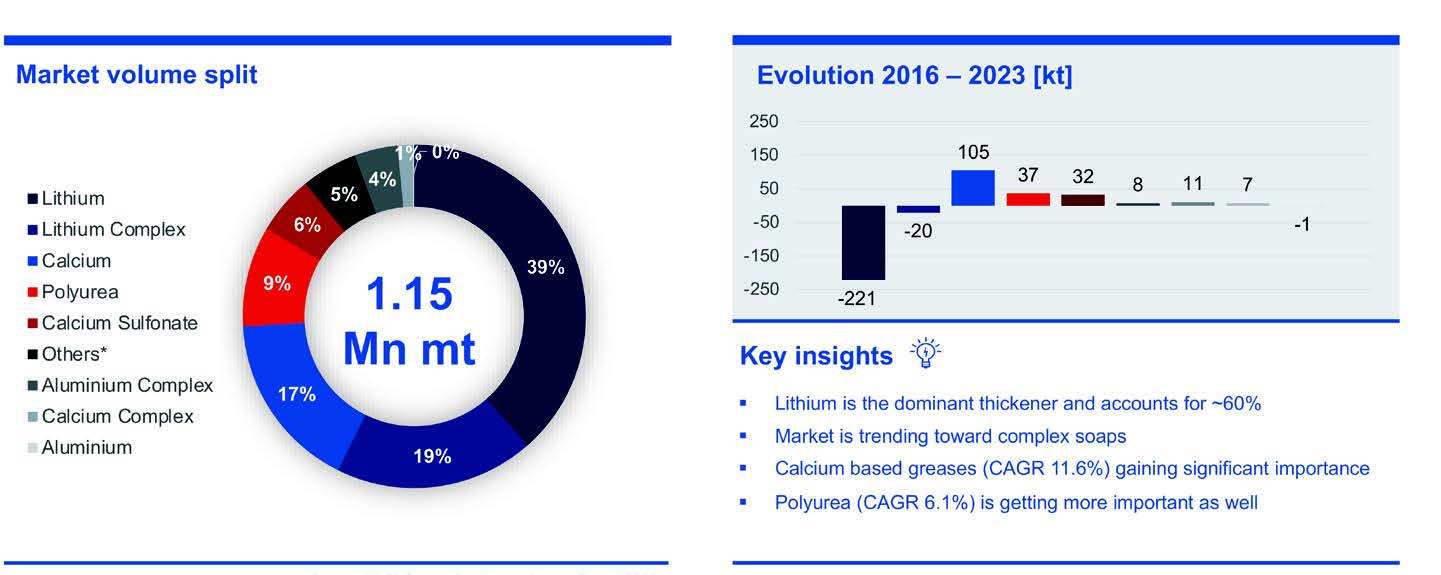 Figure 5. Global grease production 2023 and evolution since 2016 by type of thickener. Data courtesy of NLGI. Figure courtesy of FUCHS.
Key insights:
•
Lithium is the dominant thickener and accounts for ~60%.
•
Market is trending toward complex soaps.
•
Calcium based greases (CAGR 11.6%) are gaining significant importance.
•
Polyurea (CAGR 6.1%) is getting more traction.
Figure 6 illustrates notable polyurea growth since 2016. Past price increases of lithium really propelled market shift toward polyurea (PU) and calcium (Ca). PUs are excellent in friction reduction, noise reduction, efficiency, etc. With electrification growth globally, PUs are warranted to continue in growth, being the most suitable for electric vehicle (EV) applications. China, Japan and North America are key markets by volume followed by Europe.
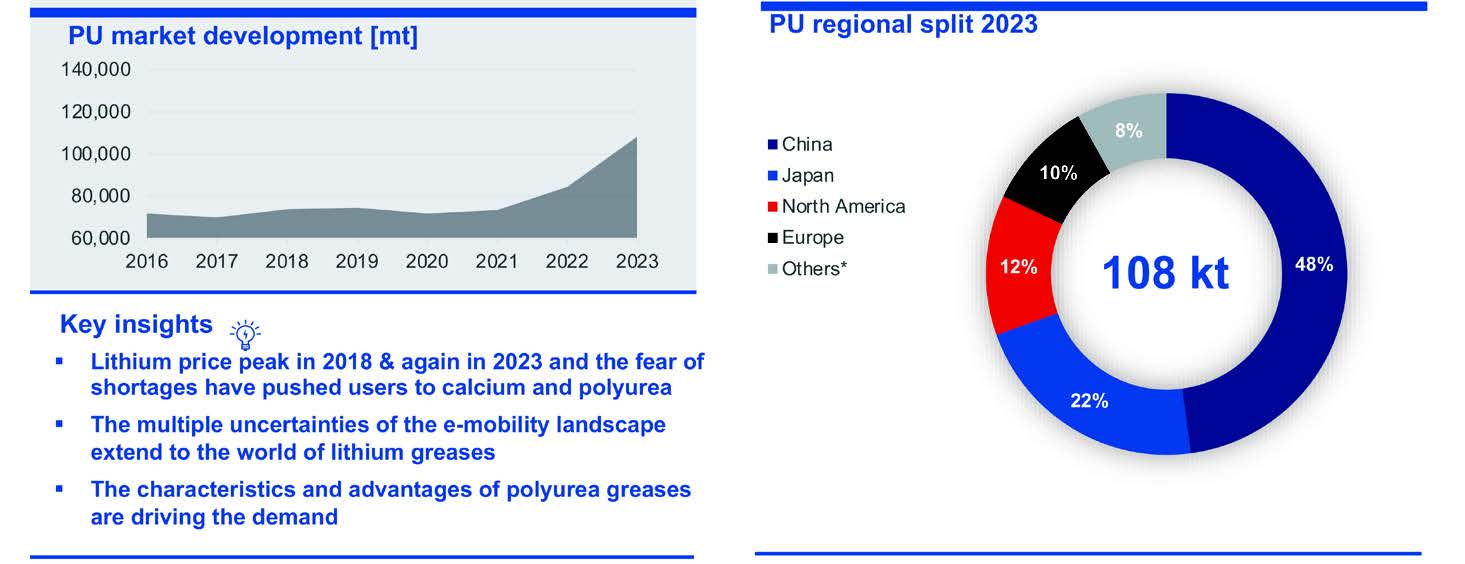 Figure 6. Global PU market development since 2016 and regional split 2023; PU showing a positive trend with a CAGR of 6.1% since 2016. Figure courtesy of FUCHS.
Key insights:
•
Lithium price peaked in 2018 and again in 2023, and the fear of shortages has pushed users to calcium and polyurea.
•
The characteristics and advantages of polyurea greases are driving the demand.
In summary:
•
Global grease production dropped by 5% from 1.20 in 2022 to 1.14 Mn mt in 2023.
•
Lithium (-86 kt) and lithium complex (-10 kt) grease production significantly dropped (third consecutive year) from 2022 to 2023; total lithium share of total production declined from ~70% to 60%.
•
PU is showing a big jump from 2022 to 2023
à + 23kt = + 27%. This is mainly driven by China + 20 kt.
•
Calcium-based greases (including calcium, calcium complex and calcium sulfonate) are further on the rise; strong growth rate with a CAGR of 11.6% since 2016.
Grease testing
Table 2 shows an overview of common grease performance tests and the methods associated with them. These tests help measure critical characteristics such as wear protection, water resistance, oxidation stability, etc. The table also shows why each test matters as outlined during webinar.
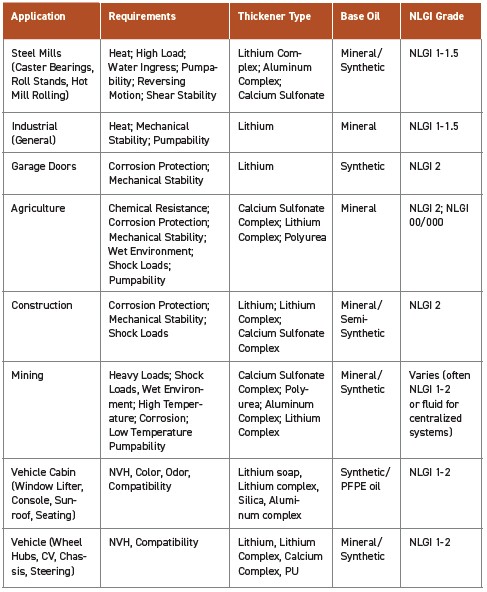 Table 2. Overview of common grease performance tests
Market and technology trends
Figure 7 shows market and technological trends that influence grease formulas.
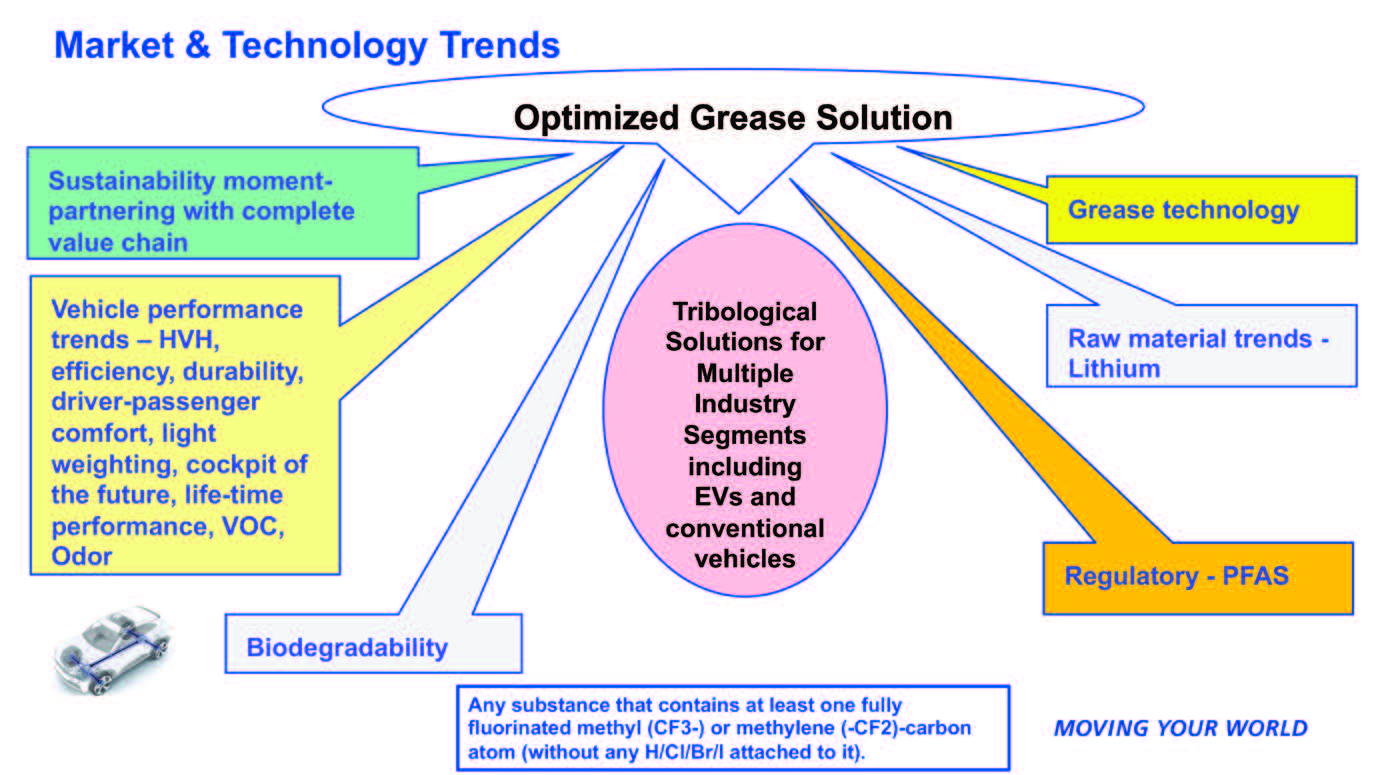 Figure 7. Market and technology trends. Figure courtesy of FUCHS.
In addition, as stated previously, performance properties of grease are affected by manufacturing processes and by selection of raw materials. The selection of thickener type influences the following:
•
Thermal stability: lithium complex, polyurea, calcium sulfonate, aluminum complex and clay have better thermal stability.
•
Shear stability: lithium complex, simple lithium, and aluminum complex generally have excellent mechanical stability.
•
Water resistance: calcium sulfonate, lithium complex, polyurea, aluminum complex and simple lithium can all have good water resistance.
•
Pumpability: lithium, lithium complex and polyurea are good.
Application factors will affect choice of thickener type:
•
Relubrication frequency: polyurea is excellent fill-for-life.
•
OEM requirements: as specified by builder.
•
Compatibility: must be evaluated on case-by-case basis.
Application requirements examples
Grease selection is highly application-dependent and selecting the optimal grease should begin with the application and operation conditions rather than a thickener alone. Key factors such as load, speed, water exposure, desired re-lubricating intervals, pumpability, compatibility with other greases/oils, etc., all influence the most suitable product selection. Table 3 shows a high -level overview of general applications, typical performance requirements, optimal thickeners, bases oil choices and NLGI grades that typically operate well.
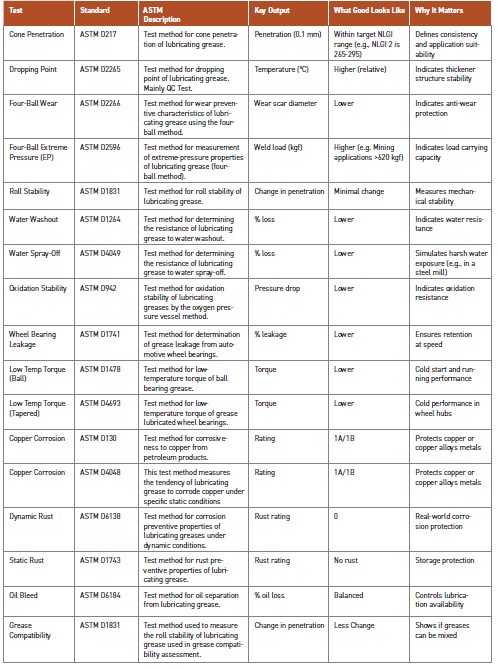 Table 3. General applications and performance requirements and relevant formulation choices
Table 4 shows practical examples of how operating conditions influence the grease requirements. Factors such as temperature range, water ingress and extreme pressure of critical points determine the most suitable formulations.
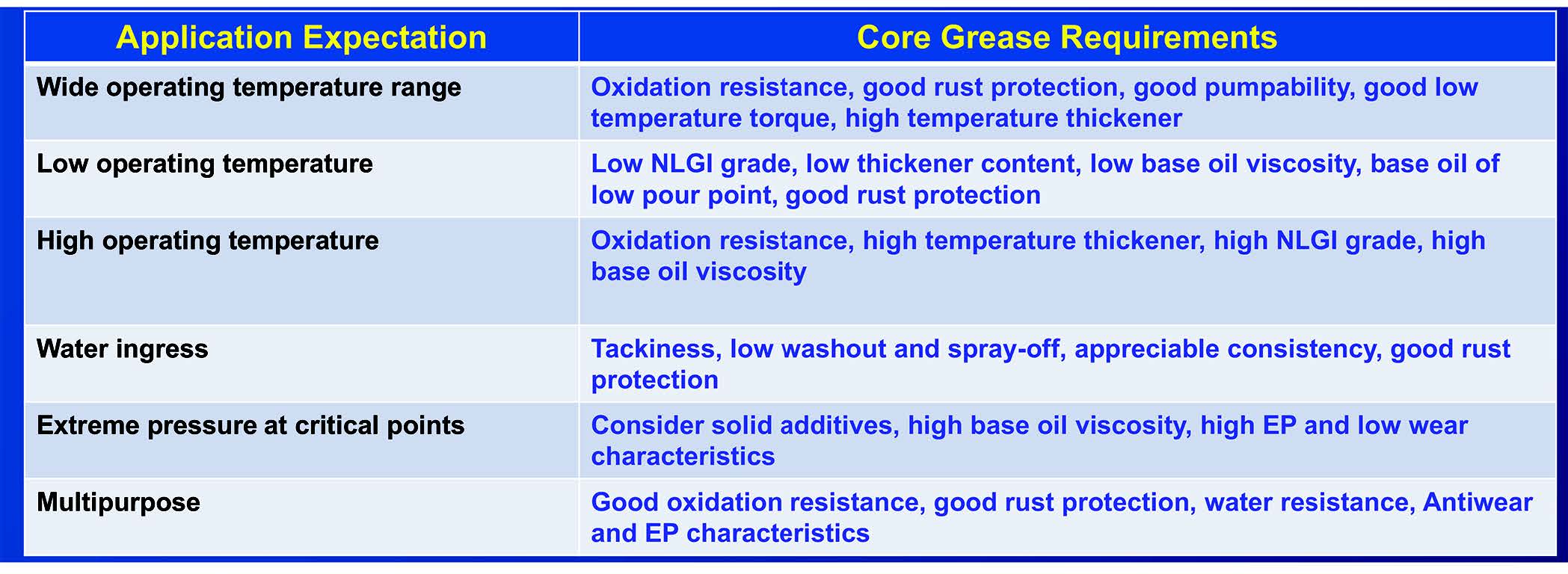 Table 4. Application and product solutions
Future trends
•
Extended service temperature ranges
•
Extended service intervals
•
Increased component speeds
•
“Lubed-for-life” approach
•
Energy efficient greases
•
Increased components loading
•
Environmental and toxicological considerations
•
Electrification brings new challenges
Table 5 illustrates key advantages and disadvantages of key grease thickener technologies.
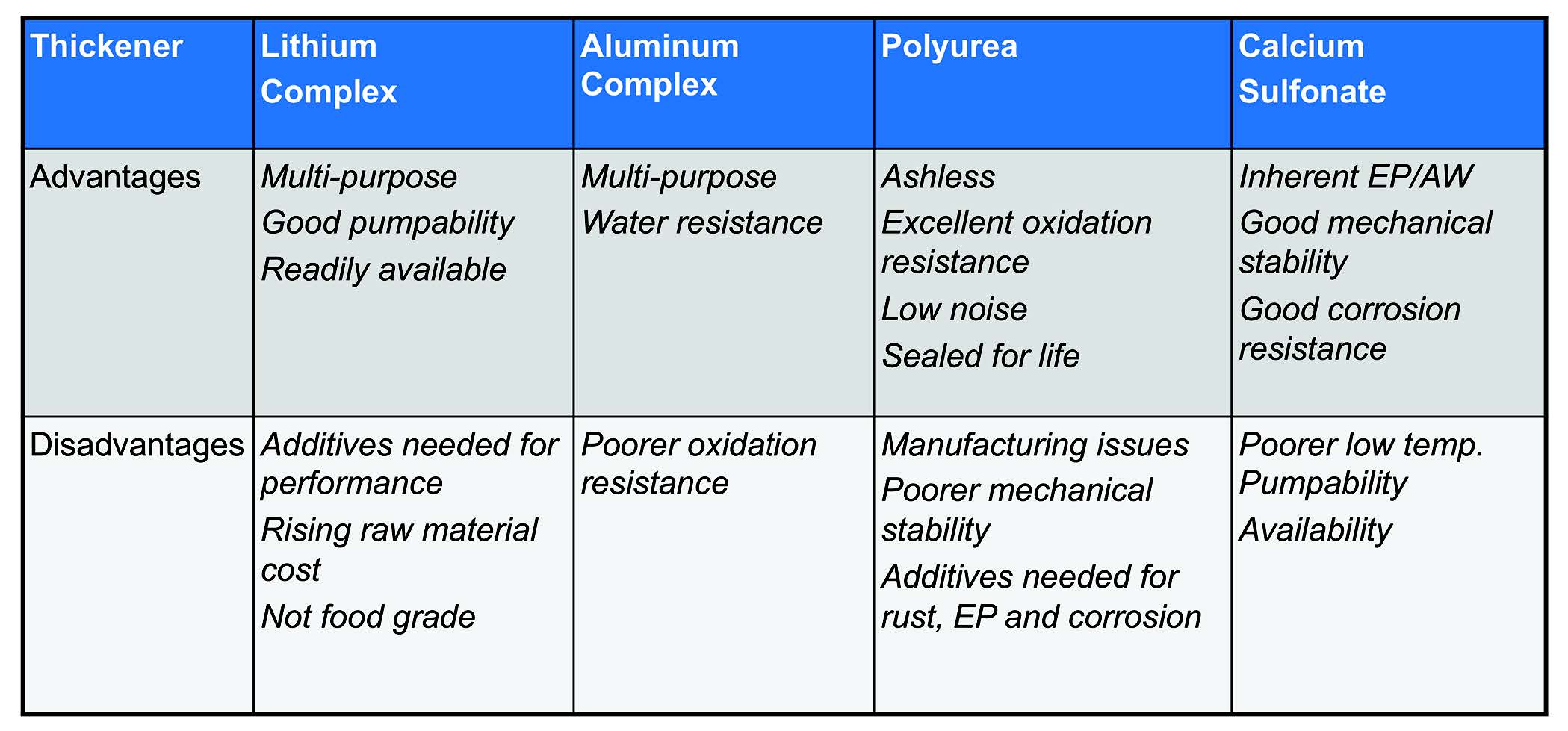 Table 5. Comparison of key grease thickener technologies
Below are examples of the most common questions to ask customertabs in order to assess application requirements:
Target pricing
Identify equipment, model type and function
Bearing, gears, slides, chain, couplings, hubs – configuration and size
Operational temperatures (high, low, range, temperature excursions)
Loading conditions (light, shock loads, vibrations, multiple directions)
Bearing speed (rpm, slow, medium, high)
Greased component material (type and any yellow metal and copper present)
Elastomeric materials and plastics that could come into contact
Any grease compatibility issues
Any external contamination (water, coolants ,dirt, chemicals, other lubes)
Anticipated frictional contacts (rolling, sliding or combined)
OEM, design authority specifications and any environmental requirements
Is color and odor of grease important
Grease container location and distance from lube point
Grease delivery system – centralized lubricating system (CLS), grease gun, pump type; SKU size
Conclusion
Grease selection is an application-based decision that should balance operating conditions, equipment requirements and cost expectations. There is no product that can be a perfect fit for multiple applications although multipurpose greases do exist to serve general applications—yet, no single product is an ideal fit for every component or operations. When properly formulated, manufactured and applied, grease can drastically reduce total cost of ownership by improving energy efficiency, extending service intervals and increasing equipment life.
Dr. Yulia Sosa is a freelance writer based in Peachtree City, Ga. You can contact her at dr.yulia.sosa@gmail.com.