TLT: What led you into the reliability industry?
Quesnel: It definitely wasn’t a traditional path. I originally planned to study computer science, but I quickly grew tired of the heavy math requirements in the University of Waterloo program. I switched into the sciences and completed a pre-med track with minors in biology, chemistry and computer science. At the time, I was aiming for medical school and eventually a career in research.
As I was finishing my degree, my parents asked me to help out at WearCheck Canada—an oil analysis laboratory they unexpectedly found themselves running after the owner passed away suddenly from a heart attack. My father had been a silent partner in the business for a few years but was suddenly faced with the reality of operating an oil analysis company. He was an excellent businessman, but his background was in the mining industry, so it was a steep learning curve for all of us.
TLT: What do you find interesting about the reliability industry? What about oil analysis in particular?
Quesnel: It’s been 36 years, and I’m still here—completely converted when it comes to reliability. What’s always fascinated me about oil analysis is how many different businesses you get to work with. I’ve had the opportunity to support some of the largest corporations in North America and globally—from steel manufacturers to national trucking lease fleets to construction OEMs. I’ve also been fortunate to travel for work around the world. That network has made the industry feel like home—and the people in it feel like family.
Those experiences have been a privilege. Over four decades, I’ve built incredible relationships and seen things most people never get to witness. I’ve toured casting plants and watched steel being poured, visited massive water bottling operations, audited oil refineries and automotive plants and presented to senior leadership at billion-dollar companies.
And beyond that, I also got to run a laboratory—which would probably surprise my chemistry professors.
A pivotal moment for me came during a co-op work term at the University of Waterloo. I worked at the Department of Mining Canada for someone who had a doctorate in both geology and computer science. It helped solidify something I still believe today: if you understand a field deeply
and you have strong computer science skills, you can build an outstanding career and create real change.
Oil analysis was ripe for innovation, and in 1991 I developed the first web-based oil analysis systems. It truly felt like being the right person in the right place at the right time.
TLT: What are some of the more significant industry shifts have you seen over your career?
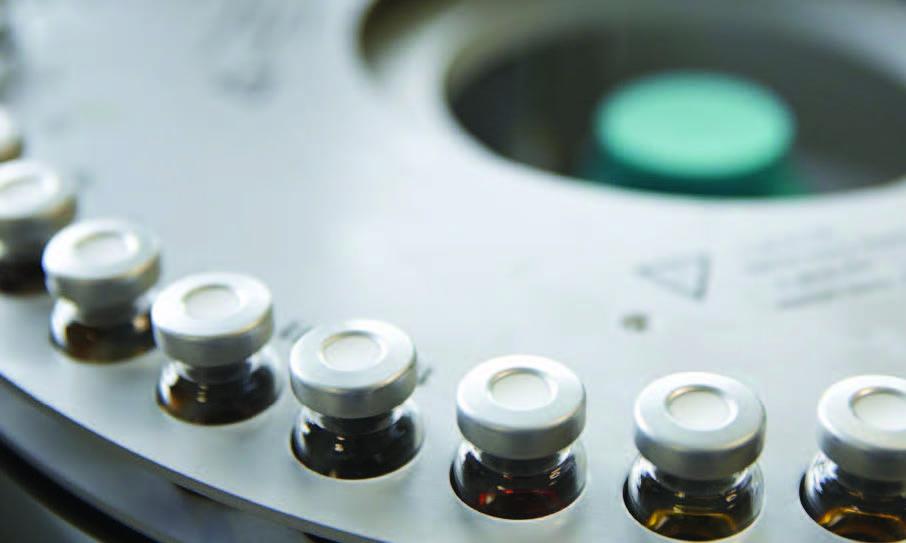
Quesnel: The actual test methods in oil analysis have remained fairly consistent over the last four decades. What has changed dramatically is
how customers access the service.
We’ve moved from telex and fax to mature cloud-based client platforms and integrated web APIs. We’ve gone from individual sample reports to sophisticated business intelligence (BI) dashboards and management reporting that help organizations improve reliability and drive continuous improvement across their oil analysis programs.
One of the biggest shifts in the industrial space has been the evolution from what used to be called “oil husbandry” into world-class lubrication practices.
I’ve been involved in sensor technology for a long time—but ironically, I still don’t view sensors as the major disruptive force in oil analysis. I discussed this in a 2022 TLT article, “The future of oil analysis: Converting to electric power and sensors,”
1 and my conclusion remains the same today: sensor technology is expanding, but high costs and low adoption have limited its ability to displace the role laboratories continue to play in oil condition monitoring.
TLT: With your current involvement in information technology (IT), what trends have you noticed in the need for IT versus when you began?
Quesnel: There has been tremendous progress in oil analysis when it comes to IT. One reason is that this industry has always been full of entrepreneurs—people who take risks, challenge norms and keep pushing forward even when the change is difficult.
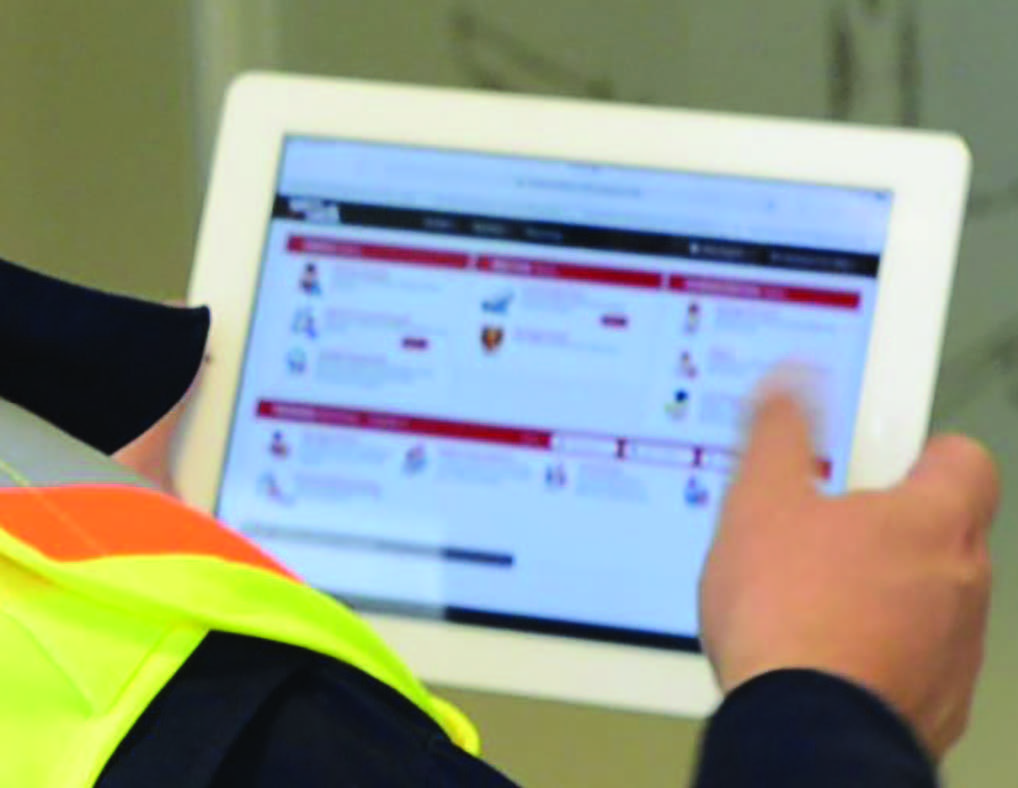
I came into oil analysis with a unique combination of chemistry and computer science, and I was fortunate to be part of the early Internet shift in the industry. When I look at the web-based tools clients now have access to, I’m genuinely impressed by how advanced many oil analysis platforms have become.
Across the industry, companies have continually adapted—embracing social media when it became relevant, deploying web apps as smart devices proliferated, improving visualization, building sophisticated BI dashboards, strengthening management reporting and developing fully integrated customer APIs.
In many ways, I believe the industry has exceeded customer expectations and continues to stay ahead of the curve digitally.
TLT: What trends do you expect to see in the coming decade for the industry?
Quesnel: Today’s needs are shifting toward stronger digital strategies, big data, automation and, of course, artificial intelligence (AI). It’s hard to imagine a bigger transformation across industry than AI.
It’s an exciting time to be in business. Oil analysis organizations—like many technology-driven industries—are already embracing AI, and I expect oil analysis will be one of the spaces where we discover just how far AI can be pushed. And it won’t take a decade.
REFERENCE
1.
McCoy, Berly (2022), “The future of oil analysis: Converting to electric power and sensors,” TLT,
78 (4), pp. 42-47. Available at
www.stle.org/files/TLTArchives/2022/04_April/Cover_Story.aspx.
You can reach Bill Quesnel at bill.quesnel@wearcheck.com.