Data centers
By Don Smolenski, Contributing Editor | TLT Machinery April 2026
There are still many questions and concerns related to this hot topic.
You have probably read or heard about data centers.
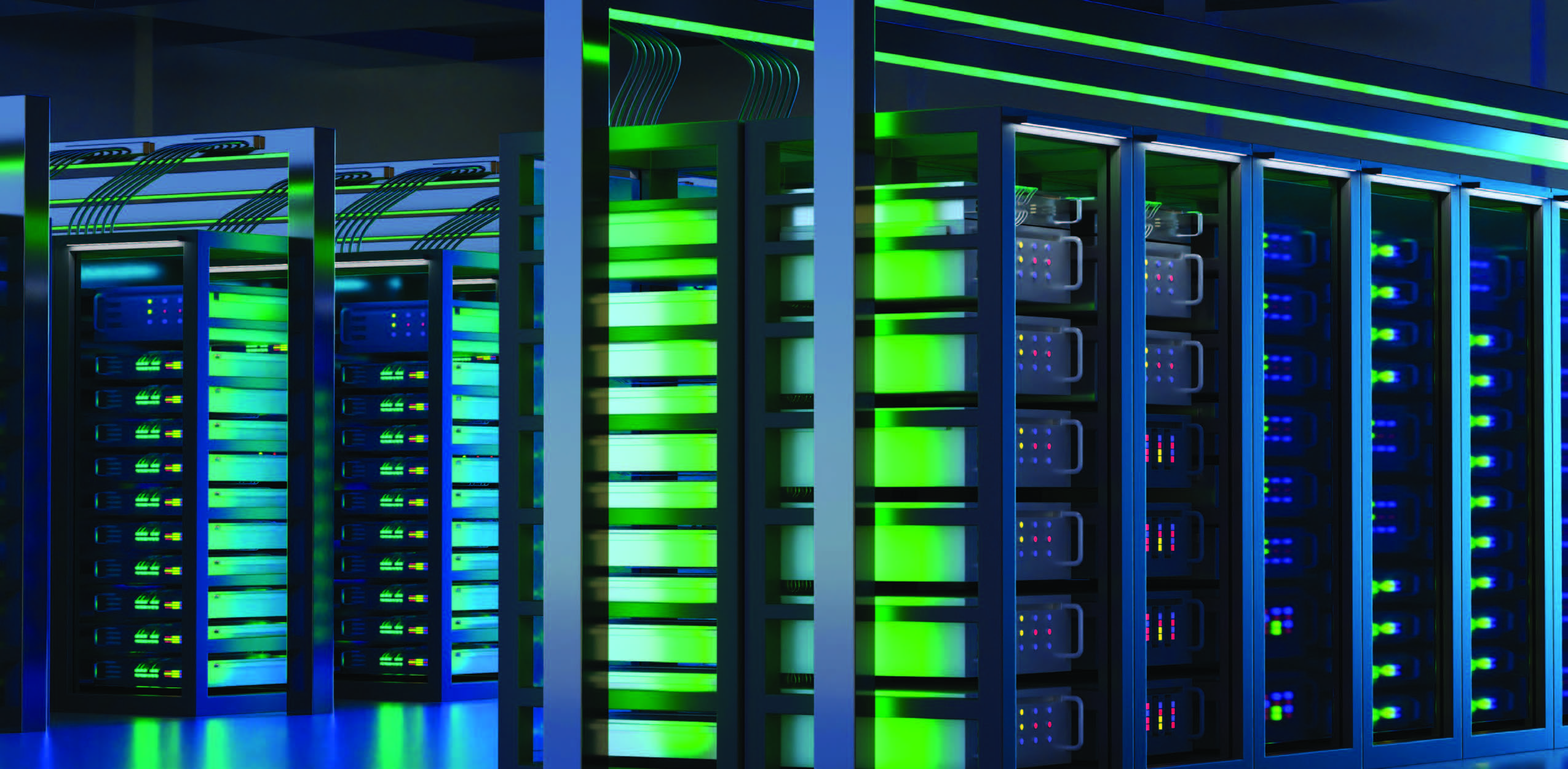
What’s all the fuss about data centers? What are the concerns of nearest neighbors to these installations? Data centers are large installations of computing equipment that require a great deal of electricity and a lot of water for cooling. They are required to support the expected explosion in artificial intelligence (AI). An AI query will require about 10 times as much electricity as a normal Google query.
Infrastructure costs will be very significant. A lot of land will be required to build large buildings to house the computing equipment. A small to medium data center would be 50,000 to 100,000 square feet. Road improvements around the data center would likely be required. Very significant electrical transmission line upgrades will be required as well. Because of the excessive heat generated by data centers—they run all day, every day over the entire year—and water being the primary cooling agent, water main capacity will need to be greatly increased, and sewer systems may require upgrades.
With the increase in popularity of AI, and the expansion of the applications using AI, McKinsey estimates that $6.7 trillion in investments in data centers worldwide will be needed by 2030.
1 There is, however, significant speculation involved, so it is really somewhat of a crapshoot.
The Great Lakes in the U.S. are very attractive for data centers since they hold so much freshwater, but about half of the residents depend on groundwater for drinking water. Michigan’s cool climate is desirable, and Illinois and Ohio are also in the chase. Some data centers use up to a million gallons of water per day, and where thermal cooling is used, the water evaporates and does not flow back to watersheds. Clean energy commitments (Michigan is 100% by 2040) may run counter to plans for new fossil fuel plants. The large plants could displace many farms and natural areas, which would have unknown effects. The average American home uses about 30 Kilowatt-hours of electricity per day. A single “hyperscale” data center would use as much power as 80,000 to 800,000 homes!
There are many, many other considerations. Will these data centers cause cost increases in electrical bills? Will they provoke water shortages? Will data center’s construction provide good jobs, albeit maybe temporary? Will they provide opportunities for permanent positions in the data centers? How will they affect taxes? For the Great Lakes region, there will be huge concerns about potential effects on the Great Lakes.
I share a lot of these numerous questions and concerns and feel that they require further review. Look for a follow up in my next TLT article!
REFERENCE
1.
www.mckinsey.com/capabilities/quantumblack/our-insights/the-state-of-ai
Don Smolenski is president of his own consultancy, Strategic Management of Oil, LLC, in St. Clair Shores, Mich. You can reach him at donald.smolenski@gmail.com.