Markets and the fishing industry
By Dr. Selim Erhan, TLT Editor | TLT From the Editor March 2026
We must be more responsible and sustainable to protect our planet.
We are approaching the conference months, and focus is shifting from laboratory findings to marketing. Therefore, I want to mention a book I read recently that was related to markets and sustainability. I am sure that if you read the book, you will find it very eye opening. Most importantly, what is being said has a direct impact on our businesses because it affects all of us at an individual level. It is not unlike what affects planktons that goes up the food chain and affects all the way to the largest fish and mammals; what affects individual human beings affect whole societies up to the global population with profound effects on businesses.
The book is called “The Outlaw Ocean,” written by Ian Urbina. He is an investigative reporter who won a Pulitzer Prize, a George Polk Award and was nominated for an Emmy Award for a film that was one of the major feature films that had been developed from his stories.
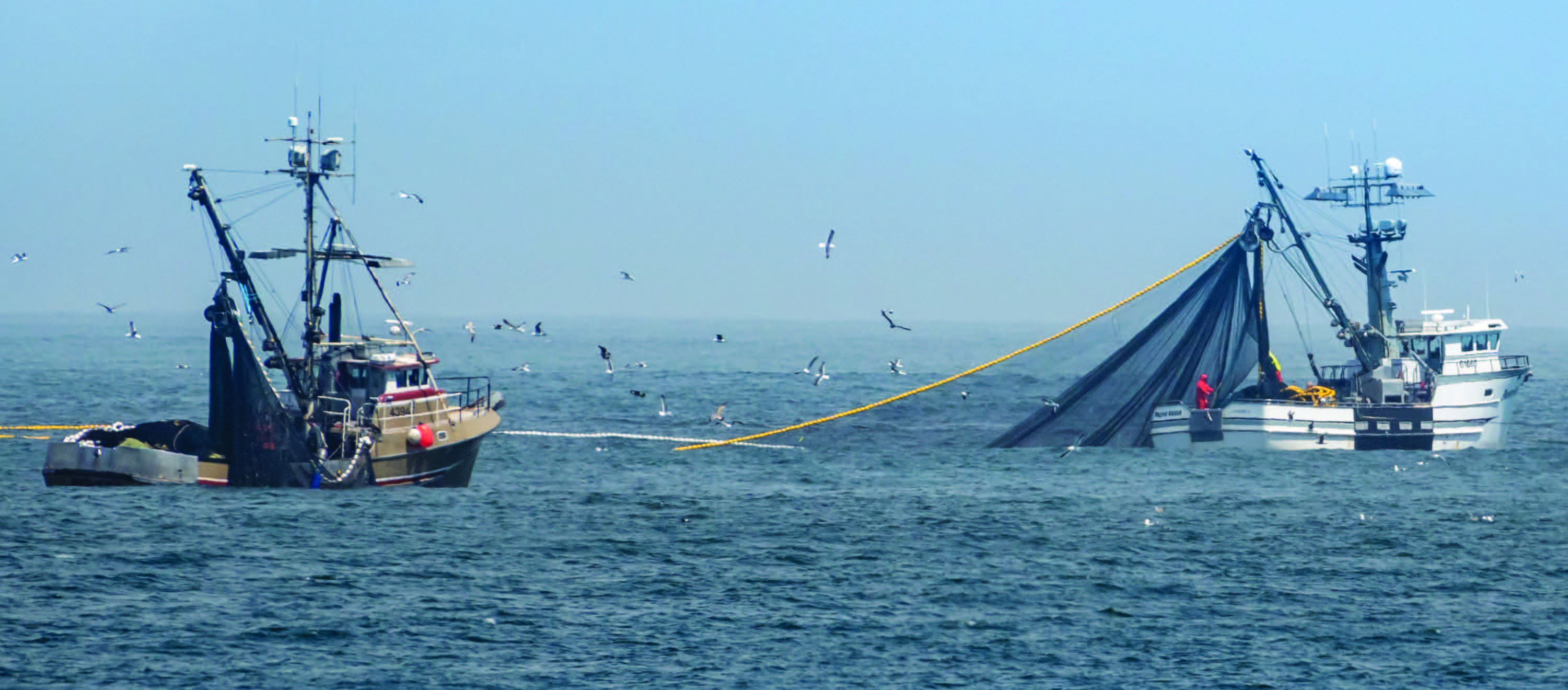
This book contains several events all stemming from what happens when there are no laws and no collaboration between countries. It talks about a giant industry where 56 million people work in fishing boats and another 1.6 million work on freighters, tankers and other types of merchant vessels. The seafood trade was estimated at $160 billion in annual sales in 2019, with large profits, pretty much no rules and hardly any enforcements on the few that exist. These kinds of situations lead to slavery, devastation of large populations, diseases and migration, which otherwise would not happen—horrible working conditions, shifts sometimes going to 48 hours, or on good days 20 hours. There’s sleeping in four-foot high diesel exhaust vents, beatings and murders. Lack of hygiene, medicine, toiling without chance of escape and being held ransom by unfair signing contracts are all common practices in many parts of the world. As a result, poverty in these areas is increasing.
One net effect of poverty is that families rely more on children to sustain themselves. When there are no financial security networks and no retirement guarantees, parents rely on their children. Half of the children are girls who marry and go to other families. Some among the remaining ones will go far to seek work. Some die due to lack of proper health conditions. So, if a poor couple in an agricultural area has 12 children, and nine survive, they will be lucky to have one, maybe two, who will take care of them in old age. However, in developed countries couples have security. As a result, they have one or two children, resulting in a population decrease. Then these richer countries become targets for migration. It is easy to see how poverty affects everyone around the world in many ways.
Going back to the book, it mentions that the situation is rapidly getting worse. Bigger nets and faster ships enable fishing vessels to plunder the ocean with remarkable efficiency. Innovations in plastics and nanofilaments lengthen the fishing lines from feet to miles. Lightweight polymer-based nets enable super trawlers to catch much bigger loads. Catches from the high seas rose 700% in the last 50 years leading to many of the world’s fish stocks being at the brink of collapse. In 2015, 94 million tons of fish were caught, more than the entire weight of the human population. This alarming rate of depletion will affect all of us.
There is also mention of pollution. For example, there is a state of Texas-sized gyre made of giant clockwise circuit of currents that revolves between East Asia and North America where floating debris is accumulating. Ships are discharging millions of gallons of oily bilge water and engine sludge every year. Raw sewage from thousands of people on cruise ships, city sewers and toxic runoff from farms causes algal blooms, some larger than California. These algae rob oxygen from the water, kill sea life and sicken sea food consumers. Oil spills and deforestation were mentioned in mind boggling numbers. In the Amazon basin, deforestation has reached six soccer fields-sized patches every minute. This is the region where the trees provide 20% of the oxygen in the world. There are regulations and controls in place for the pollution generators, but evidently they are not enough to stop them.
One wonders why we are cutting the branch we are sitting on, especially when we are high up on the tree! Having cut trees and big branches, it is remarkable to see how strong they are all the way down to an inch of wood left, then it comes down suddenly and very quickly!
Dr. Selim Erhan is president of Erbur Solutions in Trout Valley, Ill. You can reach him at selim.erhan@outlook.com.