Coal!
By Don Smolenski, Contributing Editor | TLT Machinery February 2026
The largest push on coal is coming from artificial intelligence, which will require huge facilities and tremendous amounts of electricity.
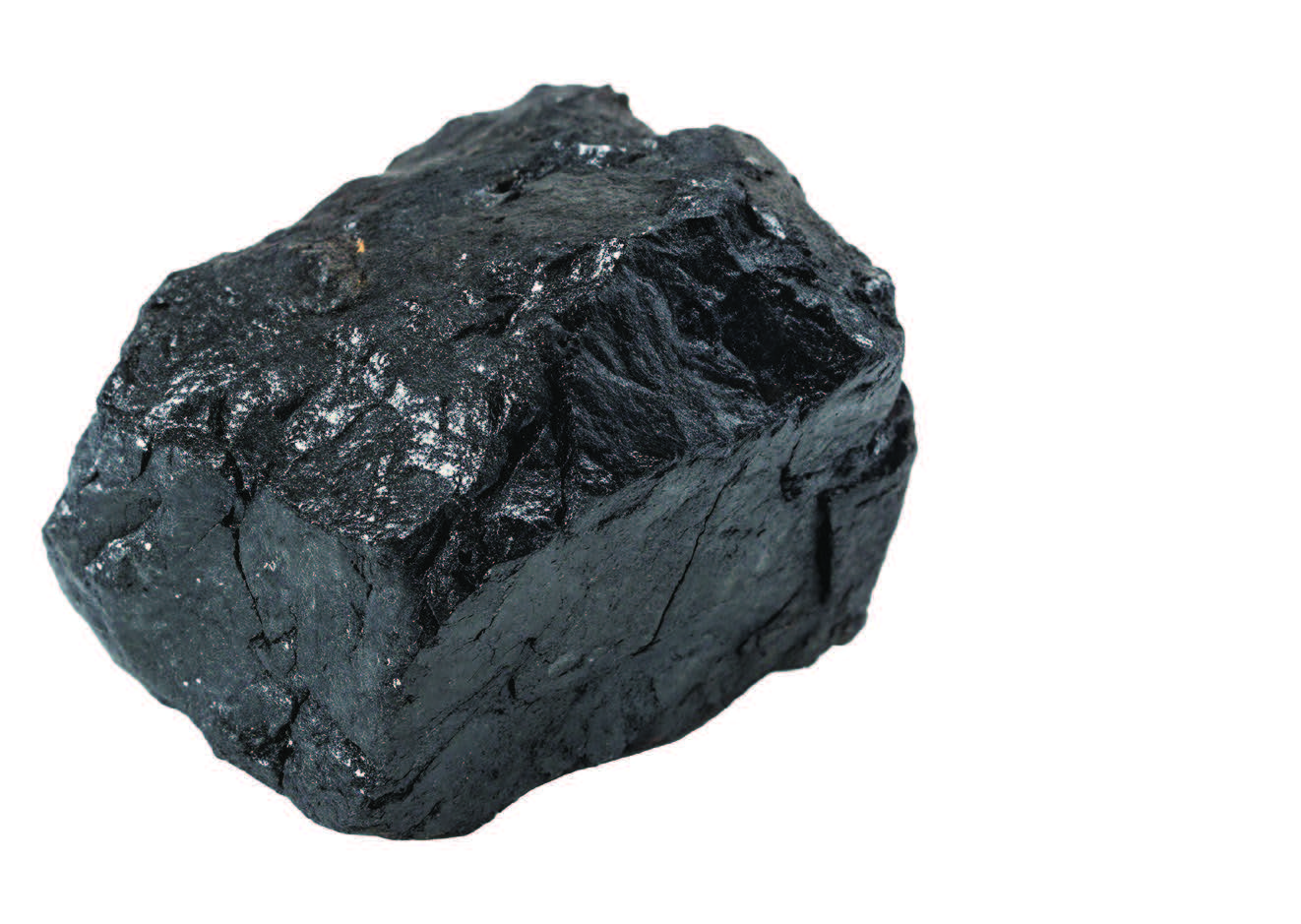
You might be surprised to see that coal usage is seeing a resurgence. Coal is a combustible, carbon-rich sedimentary rock formed from ancient plant matter over millions of years. Coal is used primarily as a fossil fuel to generate electricity and for industrial processes (e.g., steelmaking). However, it is a significant source of pollution and greenhouse gases, leading many to transition to cleaner energy sources. The environmental impact of coal is severe, encompassing climate change (via large CO
2 and methane emissions), severe air pollution (mercury, sulfur dioxide, nitrogen oxides causing smog, acid rain, respiratory illness), extensive water contamination (heavy metals like arsenic, lead, mercury from mining and ash) and significant land degradation (habitat destruction and erosion) harming ecosystems and human health from extraction to combustion, leading to cancer, heart/lung disease and developmental issues. Acid rain is also a result, damaging forests and crops, acidifying lakes/streams and harming fish and food chain contamination: (heavy metals entering the food web is also a concern).
So why the new interest in coal?
The largest push on coal is coming from artificial intelligence (AI), which will require huge facilities and tremendous amounts of electricity. AI demands for huge amounts of electricity primarily are due to massive data center operations for training complex models on huge datasets, requiring powerful specialized hardware (like GPUs) that generate immense heat, necessitating extensive, energy-intensive cooling systems (like liquid cooling) for continuous operation, with both training and inference (answering queries) being computationally intensive tasks. The sheer scale of data, model complexity and constant retraining cycles causes significant power consumption.
Here are key drivers of AI:
•
AI is quickly becoming an integral part of daily life,
1 powering everything from digital assistants to online shopping. This innovation, however, is growing AI’s environmental footprint.
2
•
In 2023, data centers consumed 4.4% of U.S. electricity
2—a number that could triple by 2028. AI’s rapid expansion also drives higher water usage, emissions and waste, raising urgent sustainability concerns, according to Mahmut Kandemir,
4 a distinguished professor in the department of computer science and engineering at Penn State University.
•
Kandemir has spent his career optimizing computer systems for speed and efficiency. Now, he says he sees an unprecedented connection between his research and its environmental impact. To make AI sustainable, he emphasizes the need for proactive solutions—streamlining AI models, developing greener infrastructure and fostering collaboration across disciplines. In a Q&A, Kandemir discusses how forward-thinking approaches among the tech industry, researchers and policymakers can ensure that AI continues to drive progress without deepening its environmental footprint.
1.
https://escholarship.org/uc/lbnl
2.
Lawrence Berkeley National Laboratory 2024 U.S. Data Center Energy Usage Report, LBL Publications,
lbnl-2024-united-states-data-center-energy-usage-report_1.pdf
3.
Penn State Institute of Energy and the Environment,
https://iee.psu.edu/home
4.
https://iee.psu.edu/people/mahmut-kandemir
Don Smolenski is president of his own consultancy, Strategic Management of Oil, LLC, in St. Clair Shores, Mich. You can reach him at donald.smolenski@gmail.com.